Personal trainer for fitness goal setting: Embark on a transformative journey towards your fitness aspirations with the guidance of a skilled personal trainer. Whether you’re aiming to lose weight, build muscle, or improve overall health, having a personal trainer by your side can make all the difference.
In the realm of fitness goal setting, personal trainers play a crucial role in helping individuals navigate the path to success. From setting realistic goals to designing personalized workout plans, these professionals are adept at tracking progress and making necessary adjustments along the way.
Let’s delve deeper into the world of fitness goal setting with the help of a personal trainer.
Importance of Personal Trainers in Fitness Goal Setting
Personal trainers play a crucial role in helping individuals set realistic fitness goals and achieve them effectively. They provide guidance, motivation, and expertise to ensure that clients stay on track and make progress towards their desired outcomes.
Creating Customized Workout Plans
Personal trainers are skilled at designing personalized workout plans that cater to the specific needs and goals of each individual. By taking into account factors such as fitness level, lifestyle, and preferences, trainers can create a plan that is both challenging and achievable.
Tracking Progress and Adjusting Goals
One of the key responsibilities of a personal trainer is to monitor the progress of their clients and make adjustments to their goals as needed. By tracking performance, measuring results, and providing feedback, trainers can ensure that clients are continuously moving in the right direction towards their fitness objectives.
Wellness Programs and Fitness Goal Achievement
Wellness programs play a crucial role in enhancing fitness goal achievement by focusing on holistic well-being and overall health.
Wellness Activities for Enhanced Fitness Outcomes
- Yoga and Meditation: These activities help improve flexibility, reduce stress, and enhance mental clarity, which can positively impact fitness performance.
- Nutritional Counseling: Proper nutrition is essential for fueling the body and optimizing workout results. Wellness programs that offer nutritional guidance can support individuals in reaching their fitness goals.
- Stress Management Workshops: Stress can hinder progress in fitness routines. Wellness activities that teach stress management techniques can help individuals stay motivated and focused on their goals.
- Sleep Optimization: Adequate rest and quality sleep are vital for muscle recovery and overall well-being. Wellness programs that address sleep hygiene can contribute to better fitness outcomes.
Benefits of Integrating Wellness Programs with Fitness Routines
- Enhanced Physical Performance: By incorporating wellness activities, individuals can improve their overall physical performance and endurance levels.
- Improved Mental Health: Wellness programs can help reduce anxiety and boost mood, creating a positive mindset for pursuing fitness goals.
- Long-Term Sustainability: Integrating wellness practices into fitness routines promotes a balanced lifestyle, making it easier to maintain long-term health and fitness goals.
Herbal Remedies for Enhanced Fitness Performance
Herbal remedies have been used for centuries to support various health and wellness goals, including enhancing fitness performance. These natural remedies can help improve muscle recovery, boost energy levels, and support overall physical well-being.
Herbs for Muscle Recovery
- Ginger: Known for its anti-inflammatory properties, ginger can help reduce muscle soreness and improve recovery time after intense workouts.
- Turmeric: Contains curcumin, a compound with powerful anti-inflammatory effects that can aid in reducing muscle pain and speeding up recovery.
- Arnica: Often used in topical creams or ointments, arnica can help alleviate muscle aches and pains, promoting faster healing and recovery.
Herbs for Energy Levels
- Ginseng: A popular adaptogenic herb, ginseng can help improve endurance, reduce fatigue, and enhance overall physical performance.
- Rhodiola Rosea: Known for its ability to combat stress and fatigue, rhodiola can increase energy levels and improve exercise performance.
- Maca Root: Rich in nutrients and antioxidants, maca root can boost energy, stamina, and endurance, making it a popular choice among athletes and fitness enthusiasts.
Consulting a Professional
Before incorporating any herbal remedies into your fitness routine, it is essential to consult with a healthcare professional or a qualified herbalist. They can provide guidance on the proper dosage, potential interactions with medications, and ensure that the herbs are safe and suitable for your individual needs and goals.
Skin Health and Fitness Journey
Regular exercise not only benefits your physical health but also plays a significant role in improving your skin health. The connection between fitness and skin appearance is often underestimated, but it is crucial to understand how exercise impacts your skin positively.
Impact of Regular Exercise on Skin Health
Regular exercise promotes healthy blood flow and circulation, which helps nourish skin cells and keep them vital. This improved circulation also helps carry away waste products, including free radicals, from working cells. As a result, exercise can give your skin a more youthful appearance and a healthy glow.
Hydration, Nutrition, and Skin Appearance, Personal trainer for fitness goal setting
Proper hydration and nutrition are essential for maintaining healthy skin, especially when following a fitness regimen. Staying hydrated helps to flush out toxins and maintain skin elasticity, while a balanced diet rich in antioxidants, vitamins, and minerals can support skin health and repair.
Skincare Tips for Fitness Enthusiasts
- Always cleanse your skin after a workout to remove sweat, bacteria, and impurities that can clog pores and cause breakouts.
- Moisturize regularly to keep your skin hydrated, especially after showering or sweating during exercise.
- Protect your skin from the sun by wearing sunscreen, even on cloudy days, to prevent premature aging and skin damage.
- Incorporate foods rich in omega-3 fatty acids, such as salmon and walnuts, into your diet to support skin health and reduce inflammation.
- Avoid touching your face during workouts to minimize the transfer of bacteria and sweat, which can lead to acne breakouts.
Bone Density and Strength Training
Regular strength training plays a crucial role in improving bone density and overall bone health. As we age, our bones tend to lose density, making them more prone to fractures and osteoporosis. By engaging in strength training exercises, individuals can maintain and even increase their bone density, reducing the risk of bone-related issues.
The Role of Personal Trainers in Designing Bone-Strengthening Exercises
Personal trainers play a vital role in designing effective bone-strengthening exercises tailored to individual needs and fitness levels. They can create a personalized workout plan that includes weight-bearing exercises, resistance training, and functional movements to target specific areas that need improvement in bone density.
Trainers also ensure proper form and technique to maximize the benefits of these exercises.
Tips for Improving Bone Health through Fitness Routines
- Aim for weight-bearing exercises such as squats, lunges, and deadlifts to stimulate bone growth and increase density.
- Incorporate resistance training with free weights or resistance bands to add stress to the bones, promoting strength and density.
- Include balance exercises like yoga or Pilates to improve stability and reduce the risk of falls that can lead to fractures.
- Ensure proper nutrition with adequate calcium and vitamin D intake to support bone health and repair.
- Stay consistent with your workout routine and gradually increase the intensity to challenge your bones and promote growth.
Muscle Mass Building Strategies
Building muscle mass is a key component of any fitness goal, as it not only enhances strength but also boosts metabolism and overall health. Here are some effective strategies to increase muscle mass:
Importance of Protein Intake in Muscle Development
Protein is essential for muscle growth as it provides the building blocks (amino acids) needed for muscle repair and growth. Aim to consume protein-rich foods such as lean meats, eggs, dairy, legumes, and protein supplements to support muscle development.
Examples of Exercises for Muscle Growth
- Compound Movements: Exercises like squats, deadlifts, bench press, and pull-ups engage multiple muscle groups simultaneously, promoting muscle growth.
- Isolation Exercises: Target specific muscle groups with exercises like bicep curls, tricep extensions, and leg extensions to focus on muscle development in those areas.
- Progressive Overload: Gradually increase the weight or intensity of your workouts to continuously challenge your muscles, leading to growth over time.
Dental Care Tips for Fitness Enthusiasts
Regular dental care is essential for overall wellness, and for fitness enthusiasts, maintaining good oral health is crucial to support their active lifestyle. The relationship between oral health and overall wellness is often overlooked, but poor dental hygiene can actually impact your fitness goals.
Here are some dental care tips for individuals engaging in intense workouts:
Impact of Nutrition on Dental Health
Nutrition plays a significant role in maintaining good dental health. Consuming a balanced diet rich in vitamins and minerals can help strengthen your teeth and gums. Avoiding sugary and acidic foods and drinks can prevent tooth decay and enamel erosion.
Remember to stay hydrated, as water helps wash away food particles and bacteria that can lead to cavities.
Dental Care Tips for Fitness Enthusiasts
- Brush your teeth at least twice a day, especially after meals and before bed.
- Use fluoride toothpaste to strengthen your enamel and prevent cavities.
- Floss daily to remove plaque and food particles between your teeth.
- Consider using a mouthguard during high-impact workouts to protect your teeth from injury.
- Schedule regular dental check-ups and cleanings to detect any issues early on.
Importance of Oral Health in Fitness Goals
Maintaining good oral health is not only essential for preventing dental problems but also for supporting your overall fitness journey. Poor oral health can lead to inflammation in the body, which may affect your performance during workouts. By taking care of your teeth and gums, you can improve your overall well-being and achieve your fitness goals more effectively.
Eye Health Maintenance during Fitness Training
Regular exercise is essential for maintaining overall health and well-being, but it’s also important to consider the health of your eyes while engaging in fitness activities. Here are some tips for eye care practices for individuals spending time in the gym and the importance of regular eye check-ups for fitness enthusiasts.
Eye Care Practices for Gym-Goers
- Avoid rubbing your eyes while working out to prevent irritation and potential infections.
- Stay hydrated to help maintain the moisture levels in your eyes, especially in dry gym environments.
- Wear protective eyewear if engaging in activities that pose a risk of eye injury, such as weightlifting or using resistance bands.
Importance of Regular Eye Check-Ups
- Regular eye check-ups can help detect any underlying eye conditions early on, ensuring timely treatment and preventing complications.
- Changes in vision can occur gradually, so routine eye exams are crucial for monitoring any shifts in your eye health.
- Your eye doctor can provide tailored advice on protecting your eyes during workouts based on your specific needs.
Tips for Protecting Eyes during Outdoor Activities
- Wear sunglasses with UV protection to shield your eyes from harmful sun rays during outdoor workouts.
- Avoid looking directly at the sun, especially during peak hours, to reduce the risk of damage to your eyes.
- Use lubricating eye drops if your eyes feel dry or strained after outdoor exercises to maintain eye comfort.
Mental Clarity and Fitness Goal Achievement
Maintaining mental clarity is crucial for achieving fitness goals as it enables individuals to stay focused, motivated, and disciplined throughout their fitness journey. A clear and focused mind can help individuals overcome obstacles, push through challenging workouts, and stay committed to their goals.
Mindfulness Techniques for Enhanced Mental Clarity
- Practice deep breathing exercises to calm the mind and increase focus during workouts.
- Engage in meditation to reduce stress, improve concentration, and boost mental resilience.
- Use visualization techniques to envision success and stay motivated towards achieving fitness goals.
Benefits of Mental Resilience in Fitness Motivation
- Increased ability to bounce back from setbacks and stay on track with fitness goals.
- Enhanced self-discipline and determination to push through challenges and plateaus.
- Improved overall well-being and mental health, leading to a more positive outlook on fitness journey.
Joint Flexibility Exercises for Better Mobility
Regular joint flexibility exercises play a crucial role in improving overall mobility and reducing the risk of injuries during physical activities. By enhancing the range of motion in your joints, you can perform daily tasks with ease and excel in your fitness journey.
Importance of Joint Flexibility in Overall Fitness
Improving joint flexibility is essential for maintaining proper posture, preventing muscle imbalances, and reducing the risk of joint pain and injuries. It allows for smooth and efficient movement, enhancing overall performance in various exercises and activities.
- Stretching exercises: Incorporate dynamic and static stretches to target different muscle groups and improve joint flexibility.
- Yoga and Pilates: These practices focus on enhancing flexibility, balance, and strength, promoting overall joint health and mobility.
- Mobility drills: Perform exercises like leg swings, arm circles, and hip rotations to warm up joints and increase range of motion.
How Personal Trainers Tailor Workouts to Enhance Joint Flexibility
Personal trainers can assess your current flexibility levels and design customized workout plans to target specific areas that need improvement. They incorporate a variety of exercises and techniques to enhance joint flexibility while ensuring proper form and technique to prevent injuries.
- Individualized stretching routines: Personal trainers create personalized stretching routines to address your unique flexibility needs and goals.
- Progressive mobility exercises: They gradually increase the intensity and range of motion in exercises to improve joint flexibility over time.
- Incorporating foam rolling: Trainers may include foam rolling techniques to release tight muscles and improve joint mobility before and after workouts.
Digestive Health and Fitness Nutrition
Maintaining good digestive health is crucial for overall well-being and can significantly impact your fitness goals. The food you eat plays a key role in supporting a healthy gut and optimizing your body’s performance.
Nutrition for Digestive Health
Proper nutrition is essential for promoting good digestive health. A diet rich in fiber, whole grains, fruits, and vegetables can help regulate digestion and prevent issues like constipation. Additionally, staying hydrated by drinking enough water throughout the day is important for optimal digestive function.
- Include probiotic-rich foods in your diet, such as yogurt, kefir, sauerkraut, and kimchi. Probiotics are beneficial bacteria that can help maintain a healthy balance of gut flora and support digestion.
- Limit processed foods, sugary snacks, and greasy foods, as they can disrupt the natural balance of bacteria in your gut and lead to digestive discomfort.
- Focus on consuming prebiotic foods like bananas, onions, garlic, and asparagus, which can help nourish the beneficial bacteria in your gut and promote overall digestive health.
Role of Probiotics and Fiber
Probiotics are live microorganisms that provide health benefits when consumed in adequate amounts. They can help improve digestion, boost immunity, and reduce inflammation in the gut. Fiber, on the other hand, is essential for promoting regular bowel movements and supporting a healthy digestive system.
Probiotics and fiber work together to create a balanced and thriving gut environment, which is essential for efficient nutrient absorption and overall wellness.
- Consider taking a high-quality probiotic supplement to ensure you are getting enough beneficial bacteria to support your digestive health.
- Incorporate a variety of fiber-rich foods into your meals, such as whole grains, legumes, nuts, seeds, and leafy greens, to promote healthy digestion and maintain optimal gut function.
Detox Process and Fitness Benefits
Detoxification can play a crucial role in enhancing fitness goals by helping the body eliminate toxins, improve nutrient absorption, and boost overall well-being. When combined with a fitness routine, detoxing can optimize the body’s functions, leading to better performance and faster results.
Importance of Hydration in the Detox Process
Hydration is essential during the detox process as it helps flush out toxins from the body, supports organ function, and aids in digestion. Drinking an adequate amount of water throughout the day can enhance the detoxification process and promote overall health.
Safe Methods for Detoxing While Following a Fitness Routine
- Avoid extreme detox diets and opt for a balanced approach that includes whole foods, fruits, and vegetables.
- Include herbal teas, lemon water, and green juices to support the body’s natural detoxification pathways.
- Regular exercise, such as cardio, strength training, and yoga, can aid in the detox process by increasing circulation and sweating out toxins.
- Practice mindful eating, chew food slowly, and avoid processed foods, sugar, and alcohol to reduce toxin intake.
Managing Blood Pressure through Exercise
Regular physical activity plays a crucial role in managing blood pressure levels. Exercise can help lower high blood pressure and reduce the risk of heart disease and stroke.
Role of Aerobic Exercise
Aerobic exercise, such as walking, running, cycling, or swimming, is particularly effective in maintaining healthy blood pressure levels. It helps strengthen the heart, improve blood circulation, and reduce the workload on the heart.
- Aim for at least 150 minutes of moderate-intensity aerobic exercise per week.
- Include activities that elevate your heart rate and make you breathe harder.
- Consult with a fitness professional to create a safe and effective exercise plan.
Tips for Individuals with Hypertension
If you have hypertension, it’s essential to take certain precautions when engaging in fitness activities to manage your blood pressure effectively.
- Monitor your blood pressure before, during, and after exercise sessions.
- Avoid high-intensity exercises that can spike your blood pressure suddenly.
- Stay hydrated and avoid exercising in extreme temperatures.
- Listen to your body and stop if you experience dizziness, chest pain, or severe shortness of breath.
Heart Rate Monitoring for Optimal Performance
Monitoring your heart rate during workouts is a crucial aspect of achieving optimal performance in your fitness journey. By understanding the significance of heart rate monitoring, you can make informed decisions to improve your overall fitness outcomes.
Relationship Between Heart Rate and Different Types of Exercises
- Cardiovascular Exercises: During aerobic activities like running or cycling, your heart rate should be elevated to a specific target zone to maximize cardiovascular benefits. Monitoring your heart rate helps ensure you are working at the right intensity level.
- Strength Training: While lifting weights, your heart rate may not increase as significantly as during cardio exercises. However, tracking your heart rate can still provide valuable insights into your body’s response to the workout.
- Interval Training: Alternating between high-intensity bursts and recovery periods in interval training can lead to rapid changes in heart rate. Monitoring these fluctuations can help optimize your intervals for better results.
Health Screenings Importance in Fitness Programs
Regular health screenings play a crucial role in fitness programs, providing valuable insights into an individual’s overall health status and helping to tailor fitness goals accordingly. By identifying any underlying health issues or risk factors, these screenings can ensure a safe and effective fitness journey.
Benefits of Health Check-ups for Fitness Enthusiasts
- Early detection of potential health concerns
- Customized fitness plans based on individual health needs
- Monitoring progress and adjusting goals as needed
- Prevention of injuries or complications during exercise
Examples of Screenings for Enhanced Fitness Goal Setting
- Blood pressure monitoring
- Cholesterol levels testing
- Blood sugar levels testing for diabetes risk
- Body composition analysis
Vaccination Programs for Fitness Facilities
Vaccination programs play a crucial role in maintaining a safe and healthy environment within fitness facilities. By ensuring that members and staff are vaccinated against preventable diseases, fitness centers can reduce the risk of outbreaks and promote overall wellness.
Importance of Vaccination Programs in Fitness Centers
- Vaccinations help prevent the spread of contagious illnesses, such as the flu or measles, among individuals using the fitness facility.
- By requiring vaccinations, fitness centers can create a safe space for all members, including those who may have compromised immune systems or are more susceptible to infections.
- Ensuring that staff members are vaccinated can also help protect the health of clients and reduce the risk of transmission of diseases within the facility.
Guidelines for Implementing Vaccination Programs in Fitness Facilities
- Develop a clear policy on vaccination requirements for both staff and members, outlining which vaccinations are mandatory for participation in the facility.
- Educate staff and members about the importance of vaccinations in maintaining a healthy workout environment and preventing the spread of diseases.
- Partner with healthcare providers to offer vaccination clinics or information sessions at the fitness facility to make it convenient for individuals to get vaccinated.
- Maintain records of vaccination status for both staff and members to ensure compliance with the vaccination policy and to track the overall vaccination rates within the facility.
Developing Healthy Habits for Long-Term Fitness Success
Healthy habits play a crucial role in supporting long-term fitness success. Consistency is key when it comes to maintaining a healthy lifestyle and achieving fitness goals. By cultivating positive habits, individuals can overcome obstacles and stay committed to their fitness routines.
Tips for Cultivating Healthy Habits
- Start Small: Begin by incorporating small, achievable changes into your daily routine, such as taking the stairs instead of the elevator or swapping sugary drinks for water.
- Set Realistic Goals: Establish clear and attainable fitness goals that align with your overall health objectives. Break them down into smaller milestones for easier tracking and motivation.
- Maintain a Routine: Create a consistent workout schedule that fits your lifestyle and commit to sticking to it. Consistency breeds habits and helps make fitness a natural part of your daily life.
- Stay Accountable: Share your goals with a friend, family member, or personal trainer who can provide support, encouragement, and hold you accountable for your progress.
- Practice Self-Care: Prioritize adequate rest, hydration, and nutrition to fuel your body for optimal performance and recovery. Treat yourself with kindness and compassion throughout your fitness journey.
Balanced Hormones and Fitness Performance
When it comes to achieving fitness goals, the role of balanced hormones cannot be overlooked. Hormones play a crucial role in regulating various bodily functions, including energy levels, muscle growth, and overall performance during workouts. Imbalanced hormones can hinder progress and make it challenging to reach desired fitness levels.
Impact of Balanced Hormones on Fitness Progress
Balanced hormones are essential for optimal fitness progress. Hormones like testosterone, cortisol, and growth hormone play a significant role in muscle growth, recovery, and energy levels. When these hormones are in balance, individuals can experience better endurance, strength, and overall performance in their fitness routines.
- Testosterone: This hormone is key for muscle growth and strength. Balanced testosterone levels can help individuals build lean muscle mass more effectively.
- Cortisol: Known as the stress hormone, cortisol levels can impact muscle breakdown and recovery. High cortisol levels can hinder muscle growth and delay recovery time.
- Growth Hormone: This hormone is crucial for muscle repair and growth. Balanced growth hormone levels can accelerate muscle recovery and promote overall muscle development.
Tips for Naturally Balancing Hormones through Lifestyle Choices
Making healthy lifestyle choices can help naturally balance hormones and improve fitness performance. Here are some tips to consider:
- Get Adequate Sleep: Aim for 7-9 hours of quality sleep each night to support hormone regulation and muscle recovery.
- Eat a Balanced Diet: Include nutrient-dense foods like lean proteins, healthy fats, and complex carbohydrates to support hormone production.
- Manage Stress: Practice stress-reducing activities like yoga, meditation, or deep breathing exercises to keep cortisol levels in check.
- Stay Hydrated: Proper hydration is essential for hormone balance and overall health. Drink an adequate amount of water throughout the day.
- Exercise Regularly: Engage in a mix of strength training and cardiovascular exercises to support hormone production and overall fitness.
Health Coaching Benefits in Fitness Goal Setting
Health coaching plays a crucial role in enhancing fitness goal achievement by providing personalized guidance and support to individuals on their wellness journey. Health coaches offer expertise in nutrition, exercise, and overall well-being to help clients set realistic goals, stay accountable, and make sustainable lifestyle changes.
Personalized Guidance and Support
- Health coaches work closely with clients to develop customized fitness plans tailored to their specific needs and goals.
- They provide ongoing support, motivation, and accountability to help individuals stay on track and overcome obstacles.
- By addressing individual challenges and preferences, health coaches empower clients to make lasting changes and achieve long-term success.
Success Stories of Health Coaching
- John, a client of a health coach, was able to lose 30 pounds by following a personalized nutrition and exercise plan designed for his busy lifestyle.
- Sarah, another client, improved her flexibility and strength with the guidance of her health coach, allowing her to participate in a marathon for the first time.
- Many individuals have experienced increased energy levels, improved mental clarity, and overall well-being through the support of health coaching.
Fitness Goals Setting and Tracking Progress
Setting specific, measurable fitness goals is crucial for individuals looking to achieve success in their fitness journey. These goals provide a clear direction and purpose, helping individuals stay focused and motivated.
Importance of Specific, Measurable Goals
- Specific goals help individuals identify exactly what they want to achieve, whether it’s losing a certain amount of weight, running a faster mile, or increasing muscle mass.
- Measurable goals allow individuals to track their progress and determine if they are moving in the right direction. This helps in making adjustments to their fitness routine as needed.
- Setting realistic goals ensures that individuals are more likely to stay committed and motivated throughout their fitness journey. Unrealistic goals can lead to frustration and demotivation.
Motivation Through Progress Tracking
- Tracking progress provides a sense of accomplishment and satisfaction as individuals see themselves getting closer to their goals. This positive reinforcement can boost motivation and drive to continue working towards success.
- Visualizing progress, whether through measurements, photos, or fitness assessments, can help individuals stay motivated and focused on their ultimate objectives.
- Celebrating small victories along the way can also help maintain motivation and create a sense of achievement, encouraging individuals to push forward towards their larger goals.
Goal Setting Techniques for Personal Fitness Aspirations
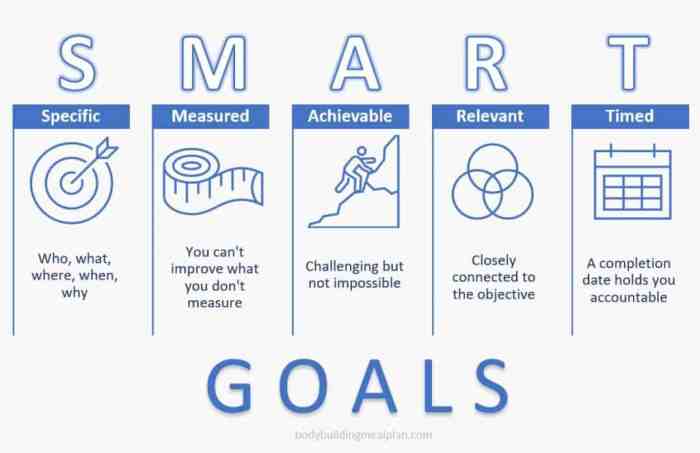
- SMART goals: Specific, Measurable, Achievable, Relevant, Time-bound. This framework helps individuals create goals that are clear, achievable, and have a deadline.
- Break down goals into smaller milestones to make progress more manageable and celebrate achievements along the way.
- Align goals with personal values and motivations to ensure they are meaningful and compelling enough to drive action.
Designing Effective Diet Plans for Fitness Success
When it comes to achieving fitness goals, nutrition plays a crucial role in optimizing workout performance, enhancing recovery, and overall success. Designing personalized diet plans tailored to individual fitness objectives is essential for long-term health and wellness.
Guidelines for Creating Personalized Diet Plans
- Assess individual goals: Understand the specific fitness goals, whether it’s weight loss, muscle gain, or overall health improvement.
- Determine caloric needs: Calculate the daily caloric intake required based on activity level, metabolism, and goals.
- Focus on macronutrients: Ensure a balance of carbohydrates, proteins, and fats to support energy levels, muscle growth, and overall health.
- Incorporate micronutrients: Include a variety of vitamins, minerals, and antioxidants through fruits, vegetables, and whole foods.
- Meal timing: Optimize nutrient timing around workouts for energy, performance, and recovery.
Role of Nutrition in Optimizing Workout Performance and Recovery
Nutrition plays a vital role in fueling workouts, enhancing performance, and supporting muscle recovery. A well-balanced diet rich in lean proteins, complex carbohydrates, healthy fats, and essential nutrients can improve endurance, strength, and overall fitness levels.
Examples of Balanced Meal Plans for Different Fitness Objectives
| Fitness Goal | Meal Plan |
|---|---|
| Weight Loss | High-protein, low-carb meals with plenty of vegetables and lean proteins. |
| Muscle Gain | Higher calorie intake with a focus on protein-rich foods, complex carbs, and healthy fats. |
| Overall Health Improvement | Balanced meals with a variety of nutrients from whole foods, fruits, and vegetables. |
Utilizing Health Supplements Safely in Fitness Routines
Incorporating health supplements into your fitness routine can provide various benefits to support your overall wellness and fitness goals. However, it is essential to approach supplement usage with caution and consult healthcare professionals before adding them to your regimen to ensure safety and effectiveness.
Selecting Quality Supplements
When choosing health supplements to support your fitness goals, it is crucial to prioritize quality and safety. Here are some tips for selecting quality supplements:
- Look for supplements from reputable brands that adhere to strict quality control standards.
- Check the ingredients list to ensure the supplement contains the necessary nutrients to support your specific fitness needs.
- Consider consulting with a healthcare provider or nutritionist to determine which supplements are best suited for your individual goals and health status.
- Avoid supplements that make exaggerated claims or promises that seem too good to be true.
Consulting Healthcare Professionals
Before incorporating any health supplements into your fitness routine, it is essential to consult with healthcare professionals, such as your doctor or a registered dietitian. They can provide guidance on whether specific supplements are safe and appropriate for you based on your current health status, medications, and fitness goals.
Consulting with experts can help prevent any potential interactions or adverse effects from supplements.
Benefits of Health Supplements in Fitness
Health supplements can offer various benefits when used appropriately in fitness routines, including:
- Providing essential nutrients that may be lacking in your diet due to dietary restrictions or preferences.
- Supporting muscle recovery and growth after intense workouts, helping to enhance performance and results.
- Boosting energy levels and reducing fatigue, allowing you to sustain longer and more effective workout sessions.
- Enhancing overall health and well-being by addressing specific deficiencies or imbalances in your body.
Breathing Techniques for Enhanced Exercise Performance
Proper breathing techniques play a crucial role in enhancing exercise performance and overall fitness levels. By focusing on your breath during workouts, you can improve stamina, endurance, and optimize the efficiency of your exercises.
Significance of Proper Breathing
- Proper breathing ensures an adequate supply of oxygen to your muscles, enhancing their performance and reducing fatigue.
- It helps maintain proper form and technique during exercises, reducing the risk of injury.
- Correct breathing techniques can help regulate heart rate and keep you focused throughout your workout session.
Examples of Breathing Techniques
- Deep Breathing: Inhale deeply through your nose, expanding your diaphragm, and exhale slowly through your mouth, releasing tension and stress.
- Rhythmic Breathing: Coordinate your breath with your movements, such as inhaling during the eccentric phase and exhaling during the concentric phase of an exercise.
- Breath Holding: Holding your breath for a brief moment at the peak of a movement can help stabilize your core and enhance strength.
Impact of Breathing Patterns
- Consistent and controlled breathing patterns can improve your overall fitness stamina, allowing you to push through challenging workouts with greater ease.
- Irregular breathing can lead to decreased performance, reduced energy levels, and increased feelings of fatigue during exercise.
- Adopting proper breathing techniques can help you stay focused, mindful, and in tune with your body’s needs during physical activity.
Disease Prevention Strategies through Fitness Activities
Regular exercise plays a crucial role in disease prevention by strengthening the immune system and improving overall health. By engaging in physical activity, individuals can reduce the risk of developing various chronic conditions and illnesses. Here are some tips for preventing diseases through fitness activities:
Benefits of Regular Exercise in Disease Prevention
Regular exercise helps in reducing inflammation in the body, improving circulation, and enhancing the immune response. It also aids in maintaining a healthy weight, which is essential for preventing obesity-related diseases such as diabetes, heart disease, and certain types of cancer.
- Engage in aerobic exercises like running, swimming, or cycling to improve cardiovascular health and lower the risk of heart disease.
- Incorporate strength training exercises to build muscle mass, improve bone density, and prevent osteoporosis.
- Practice yoga or Pilates to enhance flexibility, reduce stress, and boost overall well-being.
- Ensure to get an adequate amount of exercise each week, aiming for at least 150 minutes of moderate-intensity activity or 75 minutes of vigorous-intensity activity.
Boosting Immune System through Physical Activity
Exercise has been shown to enhance the immune system by promoting the production of antibodies and white blood cells, which help in fighting off infections and diseases. Regular physical activity can also reduce the risk of chronic conditions like diabetes, obesity, and high blood pressure.
- Include a variety of exercises in your routine to target different muscle groups and keep the body strong and resilient.
- Stay hydrated before, during, and after workouts to support the immune system and maintain overall health.
- Get an adequate amount of rest and prioritize sleep to allow the body to recover and regenerate after physical activity.
- Consult with a healthcare provider or fitness professional to create a customized exercise plan that aligns with your health goals and needs.
Pain Management Tips for Fitness Enthusiasts
When it comes to fitness training, experiencing muscle soreness is a common occurrence. Proper pain management strategies can help you recover faster and continue with your fitness journey effectively.
Importance of Rest and Recovery
- Rest is crucial for muscle recovery and growth. Make sure to give your body enough time to recover between intense workouts.
- Incorporate active recovery days with light exercises like yoga or walking to help reduce muscle soreness.
- Proper sleep is essential for muscle repair and overall recovery. Aim for 7-9 hours of quality sleep each night.
Stretching Exercises for Pain Relief
- Dynamic stretching before a workout can help improve flexibility and reduce the risk of injury.
- Static stretching after a workout can help alleviate muscle tightness and soreness. Focus on major muscle groups like hamstrings, quadriceps, and calves.
- Foam rolling or using a massage ball can help release tension and improve blood flow to sore muscles.
Holistic Treatments for Overall Well-Being
Holistic treatments focus on treating the entire individual, addressing physical, mental, emotional, and spiritual aspects to achieve optimal well-being. When it comes to fitness goals, incorporating holistic approaches can offer a more comprehensive and sustainable approach to health and wellness.
Complementary Therapies for Enhanced Well-Being
- Acupuncture: This traditional Chinese medicine practice involves inserting thin needles into specific points on the body to promote balance and alleviate pain, aiding in recovery and muscle relaxation.
- Yoga and Meditation: These practices help improve flexibility, reduce stress, and enhance mental focus, which can contribute to overall fitness performance and well-being.
- Aromatherapy: Using essential oils can help reduce inflammation, boost energy levels, and improve mood, supporting overall physical and mental health during fitness activities.
Benefits of Holistic Approaches in Fitness Routines
- Enhanced Recovery: Holistic treatments can aid in faster recovery from workouts, reducing muscle soreness and improving overall performance.
- Stress Reduction: By incorporating relaxation techniques, such as meditation and mindfulness, holistic approaches can help manage stress levels, promoting better focus and mental clarity for fitness goals.
- Improved Mind-Body Connection: Holistic therapies can strengthen the connection between the mind and body, leading to better coordination, balance, and overall fitness performance.
Enhancing Mental Resilience through Fitness: Personal Trainer For Fitness Goal Setting
Regular exercise not only benefits physical health but also plays a crucial role in enhancing mental resilience. The psychological benefits of physical activity on mental health are profound, helping individuals cope with stress, anxiety, and depression. Mindfulness practices during fitness challenges can further promote mental resilience, allowing individuals to stay focused, motivated, and resilient in the face of obstacles.
Benefits of Regular Exercise on Mental Resilience
- Improves mood by releasing endorphins, also known as “feel-good” hormones.
- Reduces symptoms of anxiety and depression through increased neurotransmitters like serotonin and dopamine.
- Enhances cognitive function and memory by promoting neuroplasticity in the brain.
- Boosts self-esteem and confidence through physical accomplishment and progress in fitness goals.
Mindfulness Practices for Mental Resilience during Fitness Challenges
- Practice deep breathing techniques to stay calm and focused during intense workouts.
- Engage in meditation or yoga to improve concentration and reduce stress levels.
- Set realistic goals and celebrate small achievements to maintain motivation and positivity.
- Take breaks when needed to prevent burnout and allow for mental rest and recovery.
Last Recap
Elevate your fitness journey with the expertise of a personal trainer focused on goal setting. By incorporating tailored workout plans, monitoring progress, and providing continual support, personal trainers can guide you towards achieving your fitness objectives. Take the first step towards a healthier lifestyle today with the assistance of a personal trainer for fitness goal setting.
Essential Questionnaire
How can a personal trainer help me set realistic fitness goals?
A personal trainer can assess your current fitness level, understand your objectives, and create a customized plan tailored to your needs, ensuring that your goals are achievable and sustainable.
What are the benefits of integrating wellness programs with fitness routines?
Wellness programs complement fitness goals by addressing overall health, stress management, and holistic well-being, enhancing the outcomes of your fitness journey.
How do herbal remedies support fitness goals, and why is consulting a professional important?
Herbal remedies can aid in muscle recovery and energy levels, but it’s crucial to consult a professional to ensure safety, effectiveness, and compatibility with your fitness regimen.
What are some dental care tips for individuals engaged in intense workouts?
Proper dental care practices, such as regular brushing, flossing, and dental check-ups, are essential for maintaining oral health while engaging in rigorous physical activities.
How can joint flexibility exercises improve overall fitness, and how can personal trainers assist in this aspect?
Joint flexibility enhances mobility and reduces the risk of injuries, and personal trainers can design specific exercises to improve joint flexibility based on individual needs and fitness goals.