
Enhancing mental resilience through self-care is a crucial aspect of overall well-being, encompassing various elements like wellness programs, herbal remedies, and skincare routines. Let’s delve into how these practices can nurture a resilient mindset and emotional strength.
Wellness Programs
A comprehensive wellness program plays a crucial role in enhancing mental resilience through self-care. By incorporating various components, these programs aim to improve overall well-being and mental health.
Components of a Comprehensive Wellness Program
- Physical Activities: Regular exercise and movement can help reduce stress, improve mood, and increase energy levels.
- Nutrition Guidance: Proper nutrition is essential for mental health, as certain foods can impact mood and cognitive function.
- Mindfulness Practices: Techniques like meditation and deep breathing can help manage stress and promote relaxation.
- Social Support: Building connections with others can provide emotional support and a sense of belonging, which are vital for mental resilience.
- Education and Resources: Providing information on mental health, self-care practices, and resources for seeking help can empower individuals to take control of their well-being.
Benefits of Participating in Wellness Programs
Engaging in wellness programs can lead to significant improvements in overall well-being and mental health. Participants often experience reduced stress, increased resilience, enhanced mood, and improved self-esteem.
Examples of Wellness Programs for Mental Resilience
- Yoga and Meditation Classes: These programs focus on mindfulness and relaxation techniques to help individuals manage stress and build mental resilience.
- Workshops on Stress Management: Providing practical strategies for coping with stress and promoting self-care practices can enhance mental resilience.
- Employee Assistance Programs (EAPs): Workplace wellness programs that offer counseling services, mental health resources, and support for employees facing challenges.
- Online Mental Health Platforms: Virtual programs that provide tools, resources, and support for individuals seeking to improve their mental well-being and resilience.
Herbal Remedies
Herbal remedies play a significant role in promoting mental resilience and self-care practices by harnessing the natural healing properties of plants and herbs.
Specific herbs and plants are known for their calming or stress-relieving properties, making them valuable additions to daily routines for enhancing mental well-being.
Calming Herbs and Plants
When it comes to incorporating herbal remedies into daily routines, consider the following calming herbs and plants:
- Lavender: Known for its soothing aroma and ability to reduce anxiety and improve sleep quality.
- Chamomile: Helps in calming the mind, reducing stress, and promoting relaxation.
- Ashwagandha: An adaptogenic herb that helps the body manage stress and improve overall well-being.
Stress-Relieving Herbal Teas
Another way to incorporate herbal remedies into daily routines is by enjoying stress-relieving herbal teas:
- Peppermint Tea: Known for its refreshing and calming effects on the mind and body.
- Valerian Root Tea: Helps in promoting relaxation and improving sleep quality.
Skin Health
Maintaining healthy skin is not only important for your physical appearance but also plays a crucial role in your mental resilience. The condition of your skin can affect your self-esteem, confidence, and overall sense of well-being.
Skincare Routines and Habits
- Establish a consistent skincare routine that includes cleansing, exfoliating, moisturizing, and protecting your skin from the sun.
- Choose skincare products that are suitable for your skin type and address any specific concerns you may have, such as acne, dryness, or sensitivity.
- Practice self-care rituals like facial massages, masks, or treatments to pamper your skin and relax your mind.
- Avoid harsh chemicals, excessive sun exposure, and unhealthy habits like smoking or poor diet that can negatively impact your skin health.
Tips for Healthy Skin, Enhancing mental resilience through self-care
- Stay hydrated by drinking plenty of water to keep your skin hydrated and maintain its elasticity.
- Eat a balanced diet rich in fruits, vegetables, and nutrients that promote skin health, such as vitamin C, E, and omega-3 fatty acids.
- Get an adequate amount of sleep to allow your skin to repair and regenerate during the night.
- Manage stress levels through relaxation techniques like meditation, yoga, or deep breathing exercises to prevent skin issues caused by stress.
Bone Density
Bone density plays a crucial role in maintaining overall health and well-being, including mental resilience. Low bone density can lead to an increased risk of fractures, which can impact mobility and independence, ultimately affecting one’s mental health.Regular exercise and a balanced diet rich in calcium and vitamin D are essential for supporting bone health.
Weight-bearing exercises such as walking, running, and strength training help to stimulate bone growth and increase bone density. Additionally, foods like dairy products, leafy greens, and fortified cereals can provide the necessary nutrients for strong bones.Bone density screenings are important for early detection of osteoporosis and other bone-related issues.
These screenings can help individuals take proactive steps to improve their bone health and prevent further complications. By maintaining healthy bone density, individuals can reduce their risk of fractures and maintain a higher quality of life, contributing to better mental well-being.
Muscle Mass
Maintaining muscle mass is crucial not only for physical health but also for mental resilience. The relationship between muscle mass, physical activity, and mental well-being is significant. Regular exercise that includes strength training can have a positive impact on mood and stress levels.
Benefits of Strength Training
- Strength training helps release endorphins, which are known as the “feel-good” hormones, improving mood and reducing stress.
- Building muscle mass can enhance self-esteem and confidence, leading to better mental resilience in facing challenges.
- Strength training can also improve sleep quality, which is essential for overall mental well-being.
Maintaining Muscle Mass through Exercise and Nutrition
- Engage in resistance training exercises at least 2-3 times per week to promote muscle growth and maintenance.
- Include a balance of protein-rich foods in your diet to support muscle repair and growth.
- Stay hydrated to support muscle function and recovery.
- Ensure you are consuming an adequate amount of calories to fuel your workouts and maintain muscle mass.
Dental Care
When it comes to self-care practices for mental resilience, dental care is often overlooked but plays a crucial role in overall well-being. Maintaining good oral health not only contributes to a confident smile but also has a significant impact on mental health.
Importance of Dental Care
- Regular dental check-ups can help prevent oral health issues that may cause pain or discomfort, leading to stress and anxiety.
- Poor oral health has been linked to conditions such as depression and low self-esteem, highlighting the importance of taking care of your teeth and gums.
- A healthy smile can boost confidence and self-image, promoting a positive mindset and reducing feelings of insecurity.
Maintaining Good Dental Hygiene
- Brushing your teeth at least twice a day and flossing daily can help prevent cavities and gum disease, protecting both your oral and mental health.
- Using fluoride toothpaste and mouthwash can strengthen enamel and reduce the risk of tooth decay, supporting overall well-being.
- Eating a balanced diet rich in vitamins and minerals, along with limiting sugary foods and drinks, can also benefit your dental health and mental resilience.
Eye Health
Maintaining good eye health is essential for promoting mental resilience and overall quality of life. Our vision plays a crucial role in how we perceive and interact with the world around us, impacting our emotional well-being and cognitive function.
Eye Care Practices for Reducing Eye Strain
- Avoid prolonged screen time: Taking regular breaks and following the 20-20-20 rule (looking at something 20 feet away for 20 seconds every 20 minutes) can help reduce eye strain caused by digital devices.
- Proper lighting: Ensure adequate lighting when reading or working to prevent eye fatigue.
- Blink often: Remember to blink frequently to keep your eyes moist and reduce dryness.
- Adjust screen settings: Optimize screen brightness, contrast, and font size to make viewing more comfortable.
Tips for Protecting and Maintaining Good Vision
- Eat a balanced diet rich in nutrients like vitamin A, C, and E, as well as zinc and omega-3 fatty acids to support eye health.
- Wear sunglasses with UV protection to shield your eyes from harmful sun rays and reduce the risk of cataracts and macular degeneration.
- Get regular eye check-ups to detect any vision problems early and prevent further deterioration.
- Avoid smoking, as it can increase the risk of eye diseases such as macular degeneration and cataracts.
Mental Clarity
Maintaining mental clarity is crucial in enhancing mental resilience through self-care. It allows individuals to think clearly, make sound decisions, and effectively manage stress and challenges. By improving focus, concentration, and cognitive function, individuals can boost their overall well-being and quality of life.
Techniques for Improving Mental Clarity
- Practice mindfulness meditation: Engaging in mindfulness exercises can help calm the mind, increase awareness, and enhance mental clarity. Focus on your breath, sensations, or surroundings to stay present in the moment.
- Get regular exercise: Physical activity not only benefits the body but also the mind. Regular exercise can improve blood flow to the brain, promote the release of endorphins, and enhance cognitive function.
- Adequate sleep: Quality sleep is essential for mental clarity. Make sure to prioritize rest and establish a consistent sleep routine to support optimal brain function.
- Healthy diet: Fueling your body with nutritious foods can positively impact mental clarity. Include foods rich in antioxidants, omega-3 fatty acids, and vitamins to support brain health.
Mindfulness Exercises for Promoting Mental Clarity
- Body scan meditation: Start from the top of your head and slowly move down, focusing on each part of your body. This exercise can help release tension and improve concentration.
- Breathing exercises: Take deep, intentional breaths to center yourself and clear your mind. Pay attention to the sensation of breathing in and out to promote mental clarity.
- Visualization techniques: Picture a peaceful scene or a place that brings you joy and calm. Visualizing positive images can reduce stress and enhance mental clarity.
Joint Flexibility: Enhancing Mental Resilience Through Self-care
Joint flexibility is a crucial element in maintaining both physical and mental well-being. When our joints are flexible, we are able to move more freely and with less pain, which can have a positive impact on our overall mood and mental resilience.
Exercises and Stretches for Improved Joint Flexibility
- Yoga: Practicing yoga poses such as downward dog, child’s pose, and warrior pose can help improve flexibility in the joints.
- Stretching: Incorporating regular stretching exercises into your routine can help lengthen the muscles surrounding the joints and improve flexibility.
- Low-impact exercises: Activities like swimming and cycling can help improve joint flexibility without putting too much stress on them.
Tips for Maintaining Joint Health
- Maintain a healthy weight: Excess weight can put added stress on the joints, so maintaining a healthy weight can help prevent joint issues.
- Eat a balanced diet: Consuming foods rich in nutrients like omega-3 fatty acids, vitamin C, and antioxidants can help support joint health.
- Stay hydrated: Drinking an adequate amount of water can help keep the joints lubricated and functioning properly.
Digestive Health
Maintaining good digestive health is crucial for enhancing mental resilience. The gut-brain connection plays a significant role in influencing mood, stress levels, and overall well-being. When the gut microbiome is balanced and healthy, it can positively impact mental health.
Impact of Gut Health on Mental Well-being
- A healthy gut microbiome can help regulate neurotransmitters like serotonin, which are essential for mood regulation.
- Imbalances in gut bacteria can lead to inflammation, affecting brain function and potentially contributing to mental health disorders.
- Stress can disrupt the gut-brain axis, leading to gastrointestinal issues and impacting mental well-being.
Dietary Recommendations for Gut Health
- Include probiotic-rich foods like yogurt, kefir, sauerkraut, and kimchi to support a healthy gut microbiome.
- Fiber-rich foods such as fruits, vegetables, whole grains, and legumes can promote digestive health and overall well-being.
- Avoid excessive sugar, processed foods, and artificial additives that can disrupt the balance of gut bacteria.
Detox Process
Detoxification plays a crucial role in promoting mental resilience by eliminating toxins that can affect brain function and overall well-being. By cleansing the body through detox methods, individuals can support mental clarity, reduce stress, and enhance their mood.
Different Detox Methods and Benefits
There are various detox methods that can benefit mental well-being:
- Water Detox:Drinking plenty of water helps flush out toxins from the body, promoting hydration and improving cognitive function.
- Food Detox:Consuming a diet rich in fruits, vegetables, and whole foods can provide essential nutrients and support the body’s natural detox processes.
- Herbal Detox:Herbal remedies like dandelion root, milk thistle, and ginger can help support liver function and detoxification.
- Sweat Detox:Engaging in activities that induce sweating, such as sauna sessions or exercise, can help eliminate toxins through the skin.
Incorporating Safe Detox Practices
When incorporating detox practices into your self-care routine, it’s important to do so safely and effectively:
- Avoid extreme detox diets or fasting that can be harmful to mental health.
- Consult with a healthcare professional before starting any detox program, especially if you have underlying health conditions.
- Focus on whole, nutrient-dense foods and stay hydrated to support the body’s natural detox processes.
- Consider incorporating mindfulness practices like meditation or yoga to reduce stress and support mental well-being during the detox process.
Blood Pressure
High blood pressure, also known as hypertension, can have a significant impact on both mental health and resilience. When left uncontrolled, high blood pressure can lead to cognitive decline, increased risk of stroke, and other mental health issues. It can also affect the body’s ability to cope with stress, making it harder to maintain mental resilience in challenging situations.
Lifestyle Changes for Healthy Blood Pressure Levels
- Avoiding excessive salt intake: Consuming too much salt can raise blood pressure, so reducing salt in your diet can help maintain healthy levels.
- Regular exercise: Engaging in physical activity can help lower blood pressure and improve overall cardiovascular health.
- Healthy diet: Eating a balanced diet rich in fruits, vegetables, whole grains, and lean proteins can support healthy blood pressure levels.
- Managing stress: High stress levels can contribute to elevated blood pressure, so finding ways to reduce stress through relaxation techniques or mindfulness practices can be beneficial.
Importance of Regular Blood Pressure Monitoring
Regular blood pressure monitoring is crucial for overall well-being as it allows early detection of any fluctuations or abnormalities in blood pressure levels. By monitoring blood pressure regularly, individuals can take timely action to address any issues and prevent potential complications.
It also provides valuable information for healthcare providers to assess overall cardiovascular health and make appropriate recommendations for maintaining healthy blood pressure levels.
Heart Rate
Maintaining a healthy heart rate is crucial for overall well-being as it is closely linked to stress levels and mental resilience. When our heart rate variability is erratic, it can indicate high stress levels and impact our ability to cope with challenges effectively.
Regulating Heart Rate with Deep Breathing
Deep breathing exercises have been shown to be effective in regulating heart rate and promoting relaxation. By taking slow, deep breaths, you can activate the body’s relaxation response, which helps lower heart rate and reduce stress levels.
- Practice deep breathing exercises for a few minutes each day to help calm the mind and body.
- Focus on breathing deeply from your diaphragm rather than shallow chest breathing.
- Inhale slowly through your nose, hold for a few seconds, and exhale slowly through your mouth.
- Repeat this process several times to help regulate your heart rate and promote a sense of calm.
Monitoring and Managing Heart Rate for Emotional Well-being
Keeping track of your heart rate can provide valuable insights into your stress levels and emotional well-being. By monitoring your heart rate regularly, you can identify patterns and triggers that may be affecting your mental resilience.
Use wearable fitness trackers or apps to monitor your heart rate throughout the day and during different activities.
- Pay attention to how your heart rate responds to stressors and use this information to make lifestyle changes that promote better emotional well-being.
- Engage in regular physical activity to improve heart health and reduce overall stress levels.
- Consult with a healthcare professional if you notice persistent irregularities in your heart rate or if you have concerns about your emotional well-being.
Health Screenings
Regular health screenings play a crucial role in maintaining mental resilience by detecting potential health issues early on and supporting overall well-being. By staying proactive with screenings, individuals can take control of their health and address any concerns before they escalate.
Key Screenings for Mental Health Maintenance
- Annual physical exams: Regular check-ups with healthcare providers can help monitor overall health and detect any abnormalities.
- Blood pressure screenings: Monitoring blood pressure levels can help prevent heart disease, stroke, and other serious health conditions.
- Cholesterol tests: Regular cholesterol screenings can help in the early detection of heart disease and other cardiovascular issues.
- Diabetes screenings: Monitoring blood sugar levels is essential for managing diabetes and preventing complications.
- Mental health assessments: Regular mental health screenings can help identify issues like anxiety, depression, or other mental health disorders.
Tips for Scheduling and Prioritizing Health Screenings
- Keep a health journal: Record dates of past screenings and set reminders for future appointments.
- Consult with healthcare providers: Discuss which screenings are necessary based on age, family history, and personal health risk factors.
- Prioritize screenings: Focus on essential screenings based on individual health needs and risk factors.
- Follow-up on results: Stay proactive by following up on any abnormal results and discussing further steps with healthcare providers.
Vaccination Programs
Vaccination programs play a crucial role in protecting mental health and overall well-being by preventing the spread of infectious diseases and reducing the risk of illness. By getting vaccinated, individuals not only safeguard their physical health but also alleviate the mental stress and anxiety that can arise from falling ill or worrying about getting sick.
Benefits of Vaccinations
- Vaccinations help prevent the spread of infectious diseases, protecting both individuals and communities.
- By reducing the risk of illness, vaccinations contribute to a sense of security and peace of mind, promoting mental well-being.
- Getting vaccinated can lower healthcare costs associated with treating vaccine-preventable diseases, easing financial burdens and stress.
Common Vaccines for Mental Resilience
- Flu Vaccine:Annual influenza vaccination helps prevent seasonal flu, reducing the risk of illness and its associated mental strain.
- COVID-19 Vaccine:Vaccination against COVID-19 not only protects physical health but also alleviates anxiety and fear related to the pandemic.
- Tetanus Vaccine:Tetanus vaccination is essential for preventing a serious bacterial infection that can lead to mental distress due to its severe symptoms.
Healthy Habits
Maintaining healthy habits is crucial for enhancing mental resilience through self-care. By incorporating key habits into your daily routine, you can significantly impact your mental well-being.
Regular Exercise
Regular exercise plays a vital role in improving mental health. Physical activity helps reduce stress, anxiety, and depression by releasing endorphins, also known as “feel-good” hormones. Aim for at least 30 minutes of moderate exercise most days of the week to reap the mental health benefits.
Proper Nutrition
Eating a balanced diet rich in fruits, vegetables, whole grains, lean protein, and healthy fats can positively impact your mental well-being. Nutrient-dense foods provide the necessary vitamins and minerals that support brain function and mood regulation. Avoid excessive consumption of processed foods, sugar, and caffeine, as they can negatively impact mental health.
Adequate Sleep
Getting enough quality sleep is essential for cognitive function and emotional well-being. Lack of sleep can lead to irritability, poor concentration, and increased stress levels. Aim for 7-9 hours of sleep each night and establish a consistent bedtime routine to promote restful sleep.
Tips for Cultivating Healthy Habits
- Start small: Set achievable goals and gradually incorporate healthy habits into your routine.
- Stay consistent: Make healthy choices a priority and practice them daily.
- Seek support: Surround yourself with a supportive community or seek professional guidance if needed.
- Monitor progress: Keep track of your habits and make adjustments as needed to maintain consistency.
- Celebrate successes: Acknowledge and reward yourself for sticking to healthy habits and achieving mental wellness.
Balanced Hormones
Maintaining balanced hormones is crucial for supporting mental resilience. Hormones play a significant role in regulating mood, energy levels, and overall well-being. When hormones are in balance, it can positively impact cognitive function and emotional stability.
Factors Affecting Hormone Balance
- Stress: Chronic stress can disrupt hormone levels, particularly cortisol, leading to mood swings and anxiety.
- Diet: Consuming processed foods high in sugar and unhealthy fats can throw off hormone balance, affecting mental health.
- Sleep: Inadequate sleep can impact hormone regulation, specifically affecting hormones that control appetite and stress response.
- Physical Activity: Lack of exercise or overtraining can disrupt hormone levels, influencing mood and overall well-being.
Promoting Hormonal Balance
- Healthy Diet: Incorporate nutrient-rich foods like fruits, vegetables, whole grains, and lean proteins to support hormone balance.
- Regular Exercise: Engage in physical activity to help regulate hormone levels and improve mental health.
- Stress Management: Practice relaxation techniques such as meditation, deep breathing, or yoga to reduce stress and support hormone balance.
- Adequate Sleep: Ensure you get enough restful sleep to allow your body to regulate hormones effectively.
- Limit Toxins: Reduce exposure to environmental toxins found in certain household products and pesticides that can disrupt hormone balance.
Health Coaching
Health coaching plays a crucial role in promoting mental resilience and self-care by providing individuals with personalized support and guidance on their wellness journey. By working closely with a health coach, individuals can gain valuable insights, develop healthy habits, and set achievable goals to enhance their overall well-being.
Benefits of Health Coaching
- Personalized Support: Health coaches offer one-on-one guidance tailored to individual needs, helping them navigate challenges and stay motivated.
- Goal Setting: Coaches assist individuals in setting realistic and achievable goals to improve mental well-being and overall health.
- Accountability: Regular check-ins and support from a health coach help individuals stay accountable and committed to their self-care routines.
- Behavior Change: Health coaches help individuals identify unhealthy patterns and develop strategies to make lasting lifestyle changes for better mental resilience.
- Empowerment: Through education and empowerment, health coaching equips individuals with the knowledge and tools to take control of their health and well-being.
Fitness Goals
Setting fitness goals is crucial for enhancing mental resilience as it provides a sense of purpose, motivation, and accomplishment. By establishing clear objectives related to physical activity, individuals can improve their overall well-being and mental health.
Creating Realistic Goals
- Start by assessing your current fitness level and identifying areas for improvement.
- Set specific, measurable, achievable, relevant, and time-bound (SMART) goals to ensure success.
- Consider your personal preferences and interests when selecting types of exercises and activities.
- Gradually increase the intensity and duration of your workouts to avoid burnout and injuries.
Examples of Exercises
- Cardiovascular exercises like running, cycling, or swimming can help boost mood and reduce stress.
- Strength training with weights or resistance bands can improve muscle tone and increase energy levels.
- Yoga and Pilates focus on flexibility, balance, and relaxation, promoting mental clarity and emotional well-being.
- High-intensity interval training (HIIT) combines bursts of intense activity with short rest periods to enhance endurance and metabolism.
Diet Planning
When it comes to mental health and resilience, diet plays a crucial role in supporting cognitive function and emotional well-being. A well-balanced and nutrient-rich diet can have a significant impact on our overall mental well-being.
The Impact of Diet on Mental Health
Our diet directly affects our brain health and mental resilience. Nutrient-rich foods provide the necessary vitamins and minerals to support optimal brain function and emotional stability. Consuming a diet high in processed foods, sugar, and unhealthy fats can lead to inflammation in the brain, impacting our mood, memory, and overall cognitive abilities.
The Role of Nutrient-Rich Foods
- Include plenty of fruits and vegetables in your diet, as they are rich in antioxidants and vitamins that support brain health.
- Omega-3 fatty acids found in fish, nuts, and seeds are essential for brain function and can help improve mood and reduce anxiety.
- Whole grains provide a steady source of energy for the brain, helping to maintain focus and concentration.
- Protein-rich foods like lean meats, eggs, and legumes help in the production of neurotransmitters that regulate mood and stress.
Tips for Meal Planning and Balanced Nutrition
- Plan your meals ahead of time to ensure you are getting a variety of nutrients throughout the day.
- Include a mix of complex carbohydrates, lean proteins, healthy fats, and plenty of fruits and vegetables in each meal.
- Avoid excessive caffeine and sugar, as they can lead to energy crashes and mood swings.
- Stay hydrated by drinking plenty of water throughout the day, as dehydration can impact cognitive function.
Health Supplements
Health supplements play a crucial role in promoting mental resilience and self-care by providing essential nutrients that support overall well-being. Incorporating key supplements into daily routines can help manage stress and enhance mental health.
Key Supplements for Mental Well-being
- Omega-3 fatty acids: Known for their anti-inflammatory properties, omega-3s can help reduce anxiety and improve mood.
- Vitamin D: Deficiency in vitamin D has been linked to depression, so ensuring adequate levels can support mental health.
- Magnesium: This mineral plays a vital role in stress management and relaxation, making it beneficial for mental resilience.
Tips for Incorporating Supplements
- Consult a healthcare professional to determine the right supplements for your specific needs.
- Integrate supplements into your daily routine by creating a schedule or using pill organizers.
- Combine supplements with a balanced diet and regular exercise for optimal mental health benefits.
Breathing Techniques
Breathing techniques play a crucial role in enhancing mental resilience by helping to reduce stress, promote relaxation, and improve overall well-being. By incorporating mindful breathing practices into daily routines, individuals can experience a greater sense of calmness, focus, and emotional balance.
Benefits of Breathing Techniques
- Improved mental clarity and focus
- Reduced stress and anxiety levels
- Promotion of relaxation and calmness
- Enhanced emotional regulation
- Increased mindfulness and present moment awareness
Different Breathing Exercises
- Deep Breathing:Inhale deeply through your nose, expanding your diaphragm, hold for a few seconds, then exhale slowly through your mouth.
- 4-7-8 Technique:Inhale for a count of 4, hold for a count of 7, and exhale for a count of 8. Repeat for several cycles.
- Nostril Breathing:Close one nostril with your finger and inhale deeply through the other nostril, then switch sides and exhale through the opposite nostril.
- Belly Breathing:Place one hand on your chest and the other on your belly, breathe deeply into your belly, expanding it with each inhale.
Incorporating Mindful Breathing Practices
- Start your day with a few minutes of deep breathing to set a positive tone for the day.
- Take short breathing breaks throughout the day to reset and refocus your mind.
- Practice mindful breathing before bedtime to promote relaxation and improve sleep quality.
- Combine breathing exercises with meditation or yoga for a holistic approach to mental well-being.
Disease Prevention
Maintaining mental health and resilience goes hand in hand with disease prevention. By taking proactive steps to prevent common illnesses and health conditions, you can significantly improve your overall well-being and mental clarity. Here are some key strategies and lifestyle choices that can help reduce the risk of disease for better mental health.
Healthy Diet and Nutrition
- Include a variety of fruits, vegetables, whole grains, and lean proteins in your diet.
- Avoid processed foods high in sugar, salt, and unhealthy fats.
- Stay hydrated by drinking an adequate amount of water throughout the day.
- Consider adding supplements like vitamin D or omega-3 fatty acids if needed.
Regular Exercise and Physical Activity
- Engage in at least 150 minutes of moderate-intensity aerobic activity each week.
- Incorporate strength training exercises at least twice a week.
- Stay active throughout the day by taking short walking breaks or stretching regularly.
Stress Management and Mental Health Support
- Practice mindfulness, meditation, or deep breathing exercises to reduce stress levels.
- Seek support from friends, family, or a mental health professional when needed.
- Prioritize self-care activities that help you relax and unwind.
Regular Health Check-ups and Screenings
- Visit your healthcare provider for regular check-ups and screenings based on your age and risk factors.
- Stay up to date with vaccinations to prevent infectious diseases.
- Monitor your blood pressure, cholesterol levels, and other key health indicators regularly.
Pain Management
Pain can have a significant impact on mental health and resilience. When dealing with chronic pain, it can lead to increased stress, anxiety, depression, and a decreased ability to cope with everyday challenges. Therefore, effective pain management is crucial in supporting mental well-being and overall quality of life.
Techniques and Therapies for Managing Pain
Effective pain management strategies can vary depending on the individual and the type of pain experienced. Some common techniques and therapies include:
- Physical therapy to improve mobility and reduce pain
- Acupuncture or acupressure to target specific pain points
- Mind-body techniques such as meditation, yoga, or tai chi to reduce stress and promote relaxation
- Cognitive-behavioral therapy to change negative thought patterns and improve coping skills
- Prescribed medications or topical treatments to alleviate pain
Tips for Effective Pain Management
- Stay active: Regular exercise can help reduce pain and improve overall well-being
- Practice relaxation techniques: Deep breathing, progressive muscle relaxation, or guided imagery can help manage pain levels
- Maintain a healthy diet: Proper nutrition can reduce inflammation and support overall health
- Stay hydrated: Drinking enough water can help reduce joint pain and improve overall function
- Stay connected: Building a support network can provide emotional support and encouragement during difficult times
Holistic Treatments
Holistic treatments play a crucial role in promoting mental resilience and self-care by addressing the mind, body, and spirit as interconnected elements of well-being. These therapies focus on treating the whole person rather than just the symptoms, aiming to restore balance and harmony within the individual.
Acupuncture and Yoga for Mental Well-being
Acupuncture, an ancient Chinese healing technique, involves the insertion of thin needles into specific points on the body to stimulate energy flow and promote relaxation. This practice can help reduce stress, anxiety, and depression, leading to improved mental clarity and emotional well-being.
On the other hand, yoga combines physical postures, breathing exercises, and meditation to enhance flexibility, strength, and mindfulness. Regular practice of yoga can help alleviate mental tension, increase self-awareness, and cultivate a sense of inner peace.
Integrating Holistic Approaches into Self-care
Integrating holistic therapies such as acupuncture or yoga into self-care routines can significantly benefit mental health. By incorporating these practices into daily life, individuals can manage stress more effectively, improve emotional regulation, and enhance overall resilience. Setting aside time for holistic treatments allows individuals to prioritize their mental well-being, fostering a sense of balance and harmony in their lives.
Mental Resilience
Mental resilience is the ability to adapt and bounce back from challenging situations, stress, and adversity. It plays a crucial role in maintaining emotional well-being and overall mental health. Building and enhancing mental resilience through self-care practices is essential for navigating life’s ups and downs with strength and grace.
Building Mental Resilience
- Practice mindfulness and meditation to stay present and calm in the face of stress.
- Cultivate a positive outlook by focusing on gratitude and silver linings in difficult situations.
- Develop strong social connections for emotional support and a sense of belonging.
- Set realistic goals and break them down into manageable steps to build confidence and motivation.
- Prioritize self-care activities like exercise, proper nutrition, and adequate sleep to support mental well-being.
Enhancing Resilient Mindset
- Challenge negative thoughts and beliefs by reframing them in a more positive and empowering light.
- Practice self-compassion and treat yourself with kindness and understanding, especially during tough times.
- Embrace change and see challenges as opportunities for growth and learning.
- Learn to adapt and be flexible in the face of unexpected events or setbacks.
- Seek professional help or therapy if needed to address deeper emotional issues and develop coping strategies.
Wrap-Up
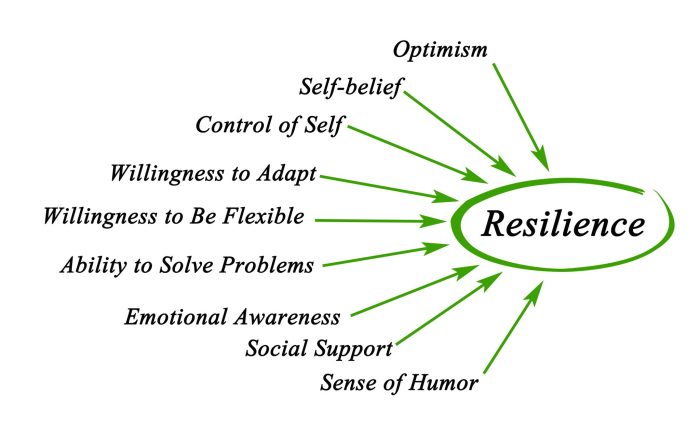
As we wrap up our discussion on enhancing mental resilience through self-care, it’s evident that incorporating these practices into our daily routines can significantly impact our mental well-being. By prioritizing self-care and resilience-building strategies, we pave the way for a healthier and more balanced life.
User Queries
How can herbal remedies contribute to mental resilience?
Herbal remedies like chamomile and lavender are known for their calming properties, helping reduce stress and enhance mental well-being.
Why is joint flexibility important for mental resilience?
Improved joint flexibility through exercises can boost physical and mental well-being by reducing stiffness and enhancing mobility.
What are some key strategies for disease prevention in relation to mental health?
Maintaining a healthy lifestyle, regular exercise, and stress management techniques can significantly reduce the risk of common illnesses and support mental well-being.


