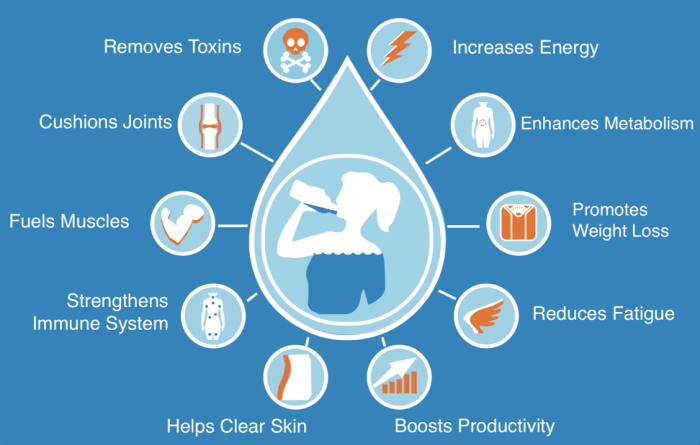
Benefits of staying hydrated for maintaining mental clarity sets the stage for this enthralling narrative, offering readers a glimpse into a story that is rich in detail with casual formal language style and brimming with originality from the outset.
Hydration is not just about quenching your thirst; it’s about fueling your brain. As we delve into the connection between hydration and cognitive function, you’ll uncover the secrets to unlocking mental clarity like never before.
Benefits of staying hydrated for maintaining mental clarity
Staying hydrated is crucial for maintaining optimal cognitive function and mental clarity. Dehydration can have a significant impact on brain function, leading to symptoms like brain fog, difficulty concentrating, and impaired memory. It is important to understand how hydration directly affects our mental performance.
Impact of Hydration on Cognitive Function
Proper hydration is essential for optimal brain function. When the body is dehydrated, the brain can shrink in volume, affecting cognitive abilities such as memory, focus, and decision-making. Drinking an adequate amount of water helps maintain proper brain function and supports overall mental clarity.
Connection Between Dehydration and Brain Fog
Dehydration can lead to symptoms of brain fog, which include difficulty concentrating, poor memory retention, and mental fatigue. Ensuring adequate hydration throughout the day can help combat brain fog and enhance mental clarity.
Hydrating Drinks for Mental Clarity
Water is the best hydrating drink for maintaining mental clarity, but other options like herbal teas, coconut water, and electrolyte-enhanced beverages can also be beneficial. These drinks provide hydration while offering additional nutrients that support cognitive function.
Role of Water in Improving Focus and Concentration
Water plays a crucial role in improving focus and concentration by ensuring proper hydration levels in the brain. Dehydration can lead to decreased focus, alertness, and cognitive performance. By drinking enough water throughout the day, you can support optimal brain function and enhance your ability to concentrate on tasks.
Wellness Programs
Wellness programs are comprehensive initiatives designed to promote the overall health and well-being of individuals. They typically include a variety of components aimed at improving physical, mental, and emotional health.
Components of a Comprehensive Wellness Program
- Physical activity and exercise routines
- Nutritional guidance and healthy eating habits
- Mental health support through counseling or therapy
- Stress management techniques
- Health screenings and preventive care
Hydration in Wellness Programs
Hydration is often a key aspect of wellness programs as it plays a vital role in maintaining overall health and well-being. Proper hydration can improve cognitive function, boost energy levels, and support physical performance.
Examples of Successful Wellness Programs Prioritizing Hydration
One successful wellness program that prioritizes hydration is the “Hydrate for Health” initiative implemented by a corporate wellness company. This program encourages employees to track their daily water intake, provides hydration tips, and offers rewards for meeting hydration goals.
Benefits of Integrating Hydration into a Wellness Routine
- Improved cognitive function and mental clarity
- Enhanced physical performance and energy levels
- Reduced risk of dehydration-related health issues
- Supports overall health and well-being
Herbal Remedies
Staying hydrated is essential for maintaining mental clarity and overall wellness. Herbal remedies can play a significant role in supporting hydration levels in the body while providing additional health benefits. Let’s explore some herbs that can help with hydration and how incorporating herbal teas can be beneficial.
Herbs for Hydration
- Marshmallow Root: Known for its hydrating properties, marshmallow root can help soothe inflammation in the digestive tract and promote hydration.
- Dandelion: Dandelion is a natural diuretic that can support kidney function, aiding in the elimination of toxins and maintaining proper hydration levels.
- Hibiscus: Rich in antioxidants, hibiscus tea can help regulate fluid balance in the body and promote hydration.
Benefits of Herbal Teas for Hydration
- Antioxidant Support: Herbal teas like green tea and chamomile are rich in antioxidants that can help reduce inflammation and support overall hydration.
- Calming Effects: Some herbal teas, such as lavender and peppermint, have calming properties that can reduce stress and promote relaxation, contributing to improved hydration levels.
Traditional Practices with Herbal Remedies
- Ayurveda: In Ayurvedic practices, herbs like licorice root and holy basil are used to balance body fluids and support hydration, following traditional wisdom for overall wellness.
- Chinese Medicine: Traditional Chinese herbal remedies, such as chrysanthemum and goji berry teas, are known for their hydrating properties and ability to promote optimal fluid balance in the body.
Skin Health
Maintaining proper hydration is not only essential for overall health but also plays a crucial role in keeping our skin healthy and glowing. The link between hydration and skin health is undeniable, as water is necessary to maintain skin elasticity and appearance.
Impact on Skin Elasticity and Appearance
Proper hydration helps to maintain the skin’s elasticity, making it look firm and youthful. When the skin is well-hydrated, it appears plump and radiant, reducing the visibility of fine lines and wrinkles. Dehydration, on the other hand, can lead to dry, flaky skin and accelerate the aging process.
- Drinking an adequate amount of water throughout the day helps to flush out toxins from the skin, promoting a clearer complexion.
- Moisturizing the skin externally is also important to lock in hydration and protect it from environmental stressors.
- Consuming foods rich in water content, such as fruits and vegetables, can also contribute to skin hydration.
Bone Density
Maintaining optimal bone density is crucial for overall bone health and preventing conditions like osteoporosis. Hydration plays a key role in supporting bone density, as water is essential for various bodily functions, including the absorption of nutrients crucial for bone health.
Water Consumption and Bone Health
Water consumption is essential for maintaining bone health as it helps transport essential nutrients like calcium and magnesium to the bones, promoting bone density and strength. Dehydration can lead to decreased bone mass and density, making bones more susceptible to fractures.
Foods and Beverages for Bone Density
- Dairy products like milk, yogurt, and cheese are rich in calcium, a key nutrient for bone health.
- Leafy green vegetables such as kale and spinach are also excellent sources of calcium and other bone-strengthening nutrients.
- Fatty fish like salmon and sardines provide vitamin D, which is essential for calcium absorption and bone health.
- Fortified foods like cereals and juices can be good sources of calcium and vitamin D for maintaining bone density.
Tips for Optimizing Hydration for Bone Density
- Drink an adequate amount of water throughout the day to stay hydrated and support bone health.
- Avoid excessive consumption of caffeinated and alcoholic beverages, as they can have a dehydrating effect on the body.
- Include hydrating foods like fruits and vegetables in your diet to supplement your water intake and promote overall hydration.
- Consider incorporating bone-strengthening foods and beverages into your meals to support optimal bone density and prevent bone-related issues.
Muscle Mass
Staying hydrated is crucial for maintaining and building muscle mass. Proper hydration affects muscle function, growth, and overall performance in physical activities.
Importance of Staying Hydrated for Muscle Recovery
- Hydration plays a key role in muscle recovery post-exercise. Water helps to flush out toxins and metabolic waste from muscles, reducing soreness and promoting faster recovery.
- Dehydration can lead to muscle fatigue and cramping during workouts, hindering progress and increasing the risk of injury.
- Drinking enough water before, during, and after workouts can help optimize muscle recovery and performance.
Role of Water in Preventing Muscle Cramps
- Muscle cramps are often caused by dehydration and electrolyte imbalances. Adequate hydration helps maintain the proper balance of electrolytes in the body, reducing the likelihood of cramps.
- Electrolytes such as potassium, magnesium, and sodium are essential for muscle function, and water helps transport these nutrients to muscle cells.
- By staying hydrated, you can prevent muscle cramps and ensure smooth muscle function during physical activities.
Strategies for Maintaining Muscle Mass through Proper Hydration
- Carry a reusable water bottle with you throughout the day to ensure you are drinking an adequate amount of water.
- Monitor your urine color – clear or light yellow urine indicates proper hydration, while dark yellow urine may signal dehydration.
- Incorporate hydrating foods such as fruits and vegetables into your diet, along with staying hydrated with water.
- Drink water before, during, and after exercise to support muscle function, recovery, and growth.
Dental Care
Maintaining proper hydration not only benefits your overall health but also plays a crucial role in supporting dental care. Hydration impacts oral health in various ways, influencing factors such as saliva production, bacteria levels, and pH balance in the mouth.
Impact of Hydration on Oral Health
- Saliva Production: Staying hydrated helps to ensure an adequate flow of saliva, which is essential for washing away food particles and neutralizing acids that can lead to tooth decay.
- Bacteria Levels: Drinking water regularly can help reduce the buildup of harmful bacteria in the mouth, lowering the risk of cavities and gum disease.
- pH Balance: Hydration helps to maintain a balanced pH level in the mouth, preventing acidic conditions that can erode tooth enamel.
Benefits of Water for Dental Hygiene
- Water is the best beverage choice for maintaining oral health as it does not contain sugars or acids that can harm teeth.
- Drinking water after meals can help rinse away food particles and reduce the risk of plaque buildup.
- Water fluoridation in many communities can contribute to strengthening tooth enamel and preventing cavities.
Tips for Using Hydration to Support Dental Care
- Carry a reusable water bottle with you throughout the day to ensure you stay hydrated.
- Drink water with fluoride to benefit from its protective effects on tooth enamel.
- Avoid sugary and acidic beverages that can contribute to dental issues and opt for water instead.
Preventing Oral Health Issues with Hydration
- Staying hydrated can help prevent dry mouth, a condition that can lead to bad breath and an increased risk of cavities.
- Proper hydration supports the body’s natural mechanisms for maintaining oral health, such as saliva production and pH regulation.
- By drinking enough water, you can reduce the likelihood of developing dental problems and maintain a healthy smile.
Eye Health
Staying hydrated is not only important for overall health but also plays a crucial role in maintaining optimal eye health. Dehydration can have a negative impact on vision and lead to eye strain, affecting your ability to focus and see clearly.
Connection between Hydration and Eye Health
- Water helps in the production of tears, which are essential for keeping the eyes moist and lubricated.
- Proper hydration can prevent dry eyes and reduce the risk of eye infections.
- Dehydration can cause the eyes to become dry, red, and irritated, leading to discomfort and potential vision problems.
Tips for Staying Hydrated to Support Eye Function
- Drink plenty of water throughout the day, especially if you spend long hours in front of screens or in dry environments.
- Include hydrating foods in your diet, such as fruits and vegetables with high water content.
- Avoid excessive caffeine and alcohol consumption, as they can contribute to dehydration.
- Use lubricating eye drops if you experience dryness or irritation, but remember that hydration from within is key.
Joint Flexibility
Maintaining proper hydration is essential for overall joint health and flexibility. Dehydration can lead to stiffness, discomfort, and reduced range of motion in the joints. By staying hydrated, you can support the lubrication of your joints and help prevent issues like arthritis and joint pain.
Benefits of Water for Maintaining Joint Flexibility
- Water helps to lubricate the joints and reduce friction between bones, promoting smooth movement.
- Proper hydration supports the flexibility of ligaments and tendons, allowing for better range of motion.
- Drinking an adequate amount of water can help flush out toxins that may contribute to joint inflammation.
Exercises to Improve Joint Flexibility
- Low-impact exercises like yoga, tai chi, and swimming can help improve joint flexibility without putting too much strain on the joints.
- Stretching exercises targeting specific joints can also help increase flexibility and reduce stiffness.
- Regular physical activity can promote overall joint health and flexibility, especially when combined with proper hydration.
Tips for Incorporating Hydration into a Routine for Joint Health
- Carry a reusable water bottle with you throughout the day to ensure you stay hydrated.
- Set reminders to drink water regularly, especially if you have a busy schedule that may cause you to forget.
- Incorporate hydrating foods like fruits and vegetables into your diet to supplement your water intake.
Digestive Health
Proper hydration is essential for maintaining good digestive health. Water plays a crucial role in aiding digestion and preventing issues like constipation.
Impact of Hydration on Digestion
- Water helps in breaking down food particles and absorbing nutrients in the digestive tract.
- Proper hydration ensures smooth movement of food through the intestines, preventing constipation.
- Dehydration can lead to digestive problems like acid reflux, indigestion, and bloating.
Importance of Staying Hydrated for a Healthy Gut
- A well-hydrated body promotes the growth of good bacteria in the gut, essential for proper digestion.
- Water helps in the production of saliva and digestive enzymes that aid in breaking down food.
- Staying hydrated supports the overall function of the digestive system, improving nutrient absorption.
Tips for Improving Digestive Health through Hydration
- Drink an adequate amount of water throughout the day, aiming for at least 8-10 glasses.
- Avoid excessive consumption of caffeinated and alcoholic beverages, as they can dehydrate the body.
- Include hydrating foods like fruits and vegetables in your diet to supplement your water intake.
Detox Process
Staying hydrated plays a crucial role in supporting the body’s detoxification processes. By ensuring adequate water intake, you can help your body flush out toxins more effectively, promoting overall well-being.
Role of Water in Detoxification
- Water acts as a key component in various detoxification pathways in the body, helping to eliminate waste and harmful substances.
- Hydration supports the function of the kidneys and liver, which are essential organs for detoxing the body.
- Proper water intake aids in the removal of toxins through sweat, urine, and bowel movements.
Enhancing Detoxification Naturally
- Adding lemon to your water can help boost detoxification due to its cleansing properties.
- Drinking herbal teas like dandelion or green tea can support the body’s natural detox processes.
- Eating water-rich fruits and vegetables, such as cucumbers and watermelon, can contribute to hydration and detoxification.
Promoting Overall Detoxification with Hydration
- Increasing water intake can enhance the body’s ability to remove waste and toxins, leading to improved overall health.
- Staying hydrated can help prevent toxin buildup in the body, reducing the risk of various health issues.
- Proper hydration supports the lymphatic system, which plays a crucial role in detoxification and immune function.
Blood Pressure
Maintaining proper hydration is crucial for regulating blood pressure levels in the body. When we are dehydrated, our blood volume decreases, causing our blood vessels to constrict in order to maintain adequate blood pressure. This can lead to an increase in blood pressure levels, putting a strain on the heart and cardiovascular system.
Relationship Between Hydration and Blood Pressure
- Proper hydration helps to keep blood volume at a healthy level, preventing blood vessels from constricting excessively.
- When we are well-hydrated, our blood can flow more easily through the vessels, helping to maintain normal blood pressure levels.
- Dehydration can lead to a decrease in blood volume, causing the heart to work harder to pump blood throughout the body, leading to higher blood pressure.
Benefits of Hydration for Cardiovascular Health
- By staying hydrated, we can help prevent high blood pressure, reducing the risk of heart disease and stroke.
- Proper hydration supports healthy blood flow, ensuring that the heart can efficiently pump blood throughout the body.
- Hydration also helps to keep the blood vessels flexible and functioning optimally, promoting overall cardiovascular health.
Tips for Supporting Healthy Blood Pressure through Hydration
- Drink an adequate amount of water throughout the day to maintain proper hydration levels.
- Avoid excessive consumption of caffeinated or sugary beverages, as they can contribute to dehydration.
- Include hydrating foods in your diet, such as fruits and vegetables, to supplement your water intake.
- Monitor your urine color – clear or light yellow urine is a sign of proper hydration.
- Consult with a healthcare professional if you have concerns about your blood pressure levels and hydration status.
Heart Rate
Staying hydrated is crucial for maintaining a healthy heart rate. Dehydration can have negative effects on heart rate variability and overall cardiovascular function. Let’s explore how hydration influences heart rate and why it is important to stay hydrated for a healthy heart.
Hydration and Heart Rate
When you are dehydrated, your blood volume decreases, causing your heart to work harder to pump blood throughout your body. This increased workload can lead to a higher heart rate as your heart tries to compensate for the lack of fluids.
On the other hand, proper hydration ensures adequate blood volume, allowing your heart to beat at a normal and healthy rate.
- Dehydration can lead to an increase in heart rate, putting more strain on your cardiovascular system.
- Staying hydrated helps maintain a stable heart rate, reducing the risk of heart-related issues.
- Drinking enough water can improve blood circulation, supporting overall heart health.
Effects of Dehydration on Heart Rate Variability
Dehydration can also impact heart rate variability, which refers to the variation in time intervals between heartbeats. When you are dehydrated, your heart rate variability may decrease, indicating potential stress on your heart and autonomic nervous system. This can negatively affect your cardiovascular function and overall well-being.
Ensuring proper hydration levels can help maintain optimal heart rate variability and support a healthy heart.
Tips for Staying Hydrated for a Healthy Heart Rate
To maintain a healthy heart rate, it is essential to stay hydrated throughout the day. Here are some tips to help you stay hydrated and support your cardiovascular health:
- Drink an adequate amount of water daily, aiming for at least 8-10 glasses.
- Monitor your urine color – clear or light yellow urine indicates proper hydration.
- Include hydrating foods in your diet, such as fruits and vegetables with high water content.
- Carry a reusable water bottle with you to remind yourself to drink water regularly.
Impact of Hydration on Overall Cardiovascular Function
Proper hydration plays a significant role in maintaining overall cardiovascular function. By staying hydrated, you can support healthy blood flow, reduce the risk of heart-related issues, and improve your heart’s efficiency in pumping blood. Hydration is a simple yet effective way to take care of your heart and promote cardiovascular well-being.
Health Screenings
Maintaining proper hydration levels is crucial for accurate health screenings. Dehydration can significantly impact the results of various health tests, leading to misleading or inconclusive outcomes. By staying hydrated, you can support the effectiveness of these screenings and ensure that your health status is accurately assessed.
Importance of Hydration for Health Screenings
- Hydration plays a vital role in ensuring that blood samples taken during screenings are not compromised by dehydration, which can affect the accuracy of lab test results.
- Proper hydration can help maintain stable blood pressure levels, which are often measured during health screenings to assess cardiovascular health.
- Being well-hydrated can support the functionality of organs like the kidneys, which are essential for filtering out toxins and waste products that may be detected in screening tests.
Effects of Dehydration on Health Test Results
- Dehydration can lead to falsely elevated levels of certain markers in blood tests, giving an inaccurate representation of your health status.
- Urinalysis results can also be affected by dehydration, potentially masking underlying issues or abnormalities that would otherwise be detected.
- In imaging tests like MRIs, dehydration can impact the clarity of images, making it harder to identify any abnormalities or conditions present.
Tips for Optimizing Hydration Before Health Screenings
- Drink plenty of water in the days leading up to your health screening to ensure you are adequately hydrated.
- Avoid excessive caffeine or alcohol consumption, as these can contribute to dehydration.
- Consider consuming hydrating foods with high water content, such as fruits and vegetables, to supplement your fluid intake.
Vaccination Programs
Staying hydrated is crucial for supporting vaccination programs as water plays a key role in maintaining overall health and immune function. By ensuring proper hydration, individuals can enhance the effectiveness of vaccinations and support their bodies in mounting a robust immune response.
Role of Hydration in Supporting Vaccination Programs
- Hydration helps in the production of lymph, which carries immune cells throughout the body and plays a vital role in the immune response to vaccines.
- Proper hydration ensures that the body can effectively eliminate toxins and waste products, allowing the immune system to focus on responding to the vaccine.
- Water intake can help prevent dehydration, which can weaken the immune system and reduce the body’s ability to generate a strong immune response to vaccines.
Benefits of Staying Hydrated During Vaccination Processes
- Improved circulation and nutrient delivery can enhance the body’s response to the vaccine and promote faster recovery.
- Hydration can help reduce the risk of side effects from vaccinations, such as soreness at the injection site or mild fever, by supporting the body’s natural healing processes.
- Proper hydration before and after vaccination can aid in the body’s ability to produce antibodies and develop long-lasting immunity to the targeted pathogen.
Healthy Habits
Maintaining proper hydration is a key healthy habit that plays a crucial role in overall well-being. From supporting bodily functions to promoting mental clarity, water consumption is essential for a healthy lifestyle.
The Significance of Hydration as a Healthy Habit
Hydration is not just about quenching your thirst; it is about ensuring that your body functions optimally. Adequate water intake helps in regulating body temperature, aiding digestion, transporting nutrients, and flushing out toxins.
The Role of Water Consumption in Maintaining Overall Health
Water is involved in almost every bodily function, making it vital for maintaining overall health. It helps in lubricating joints, protecting organs, and delivering oxygen throughout the body. Dehydration can lead to a range of health issues, including fatigue, headaches, and poor concentration.
Tips for Developing a Hydration Routine as Part of Healthy Habits
- Carry a reusable water bottle with you throughout the day to remind yourself to drink water regularly.
- Set reminders on your phone or use hydration tracking apps to monitor your water intake.
- Flavor your water with fruits or herbs to make it more enjoyable and increase your intake.
- Start your day with a glass of water and make it a habit to drink water before and after meals.
Examples of How Staying Hydrated Contributes to a Healthy Lifestyle
Staying hydrated can improve skin health, boost energy levels, enhance cognitive function, and aid in weight management. By incorporating proper hydration into your daily routine, you are taking a proactive step towards maintaining a healthy lifestyle.
Balanced Hormones
Maintaining balanced hormones is crucial for overall health and well-being. Hormones play a significant role in regulating various bodily functions, including metabolism, mood, and reproductive health. One key factor that can impact hormonal balance is hydration.
Connection between Water Intake and Hormone Regulation
Proper hydration is essential for the body to produce an adequate amount of hormones and ensure their effective regulation. Water plays a vital role in the transportation of hormones throughout the body and helps in the elimination of waste products that can disrupt hormonal balance.
- Drinking enough water can support the function of the endocrine system, which is responsible for producing hormones.
- Dehydration can lead to imbalances in hormones such as cortisol, insulin, and thyroid hormones.
- Water intake is crucial for maintaining the body’s natural detoxification processes, which can help in eliminating excess hormones and toxins.
Benefits of Staying Hydrated for Hormonal Health
Staying hydrated can have a positive impact on hormonal health and overall well-being. Adequate water intake can help in regulating hormone levels and preventing imbalances that can lead to various health issues.
Proper hydration can support the body in maintaining stable levels of hormones, promoting better energy levels, mood stability, and overall health.
- Hydration is essential for supporting the production and release of hormones that control appetite, metabolism, and stress response.
- Drinking enough water can help in reducing symptoms of hormonal imbalances, such as fatigue, mood swings, and irregular menstrual cycles.
- Water plays a crucial role in maintaining the health of the adrenal glands, which are responsible for producing hormones like cortisol and adrenaline.
Tips for Maintaining Balanced Hormones Through Proper Hydration
To support hormonal balance through hydration, it is important to focus on regular water intake and healthy hydration habits. Here are some tips to help you maintain balanced hormones through proper hydration:
- Drink at least 8-10 glasses of water per day to ensure adequate hydration levels.
- Include hydrating foods in your diet, such as fruits and vegetables with high water content.
- Avoid excessive consumption of dehydrating beverages like alcohol and caffeinated drinks.
- Listen to your body’s thirst cues and drink water whenever you feel thirsty.
- Carry a reusable water bottle with you to stay hydrated throughout the day, especially during physical activity or in hot weather.
Health Coaching
Health coaches play a crucial role in guiding individuals towards better overall well-being, including the importance of proper hydration. They emphasize the significance of staying hydrated to maintain optimal health and functioning.
Role of Hydration in Health Coaching Programs
- Hydration is a fundamental aspect of health coaching programs as it directly impacts various bodily functions and overall well-being.
- Health coaches educate clients on the benefits of proper hydration, such as improved cognitive function, energy levels, and overall health.
- By emphasizing hydration, health coaches help clients develop healthy habits that can lead to long-term health benefits.
Enhancing Effectiveness of Health Coaching through Hydration
- Staying hydrated can enhance the effectiveness of health coaching by optimizing physical and mental performance, which is essential for achieving health goals.
- Proper hydration supports the body’s natural detoxification processes, aiding in the elimination of toxins and promoting overall wellness.
- Health coaches often integrate hydration goals into their coaching strategies to help clients achieve a balanced and healthy lifestyle.
Successful Strategies Prioritizing Hydration
- Encouraging clients to track their daily water intake and setting hydration goals to ensure they meet their individual needs.
- Providing education on the importance of electrolyte balance and the role of hydration in maintaining proper hydration levels.
- Incorporating hydration reminders and tips into daily routines to help clients stay mindful of their water consumption throughout the day.
Fitness Goals
Staying hydrated is crucial for achieving your fitness goals. Proper hydration plays a key role in optimizing physical performance and enhancing workout outcomes. Here are some important points to consider:
Impact of Hydration on Physical Performance
- Hydration levels directly impact your energy levels, endurance, and overall performance during exercise.
- Dehydration can lead to fatigue, muscle cramps, and reduced coordination, hindering your ability to push through workouts effectively.
- By staying hydrated, you can maintain optimal muscle function and maximize your workout potential.
Tips for Optimizing Hydration for Fitness
- Drink water consistently throughout the day, not just during workouts, to ensure proper hydration levels.
- Monitor your urine color – pale yellow to clear urine indicates adequate hydration.
- Consider electrolyte-rich drinks or water with added minerals for more intense workouts or longer durations.
Examples of Improved Workout Outcomes
- Increased endurance and stamina, allowing you to exercise for longer periods without feeling fatigued.
- Enhanced muscle recovery post-workout, reducing soreness and improving overall performance in subsequent sessions.
- Better focus and concentration during workouts, leading to more efficient and productive training sessions.
Diet Planning
When it comes to diet planning, hydration plays a crucial role in ensuring optimal health and well-being. Water consumption not only influences our nutritional choices but also has a direct impact on how effectively we can plan our meals.
Role of Hydration in Dietary Planning
Hydration is essential for proper digestion, nutrient absorption, and metabolism. By staying hydrated, we can maintain a healthy weight, support our immune system, and improve overall energy levels. When we are adequately hydrated, we are more likely to make mindful food choices and create a well-balanced diet plan.
Benefits of Staying Hydrated for Effective Diet Planning
- Helps control appetite and prevent overeating by keeping us feeling full
- Supports proper digestion and nutrient absorption for optimal health
- Enhances metabolism and aids in weight management
- Promotes clearer thinking and better decision-making when it comes to food choices
Tips for Incorporating Hydration into a Well-Balanced Diet
- Start your day with a glass of water before consuming any other beverages or food
- Carry a reusable water bottle with you throughout the day to ensure you stay hydrated
- Infuse water with fruits, herbs, or vegetables for added flavor and nutrients
- Include hydrating foods in your meals such as fruits, vegetables, and soups
- Monitor your urine color to gauge your hydration levels and adjust as needed
Health Supplements
Staying hydrated is crucial for maintaining overall health and well-being. When it comes to health supplements, hydration plays a significant role in enhancing their effectiveness and ensuring optimal results.
Importance of Hydration with Supplements
Proper hydration is essential for the body to absorb and utilize the nutrients from health supplements effectively. Water helps transport essential vitamins and minerals throughout the body, allowing the supplements to work efficiently. Without adequate hydration, the benefits of supplements may be diminished.
- Ensure to drink plenty of water when taking health supplements to support their absorption and effectiveness.
- Hydration can also help prevent any potential side effects or complications that may arise from certain supplements.
Examples of Supplements Requiring Increased Hydration
Certain supplements may require higher water intake to optimize their benefits. Examples include:
- Protein powders: Adequate water consumption is crucial for protein synthesis and muscle recovery.
- Electrolyte supplements: Hydration is essential for maintaining electrolyte balance in the body.
- Fiber supplements: Water helps prevent constipation and aids in the digestion of fiber.
Tips for Enhancing Supplement Benefits with Hydration
To maximize the benefits of health supplements through proper hydration, consider the following tips:
- Drink water consistently throughout the day to stay hydrated.
- Avoid consuming excessive caffeine or alcohol, as they can dehydrate the body.
- Consult with a healthcare provider or nutritionist to determine the appropriate water intake based on your supplement regimen.
Breathing Techniques
Proper hydration plays a crucial role in supporting various bodily functions, including breathing techniques. Adequate water intake can significantly impact respiratory health and optimize your breathing practices.
Hydration and Respiratory Health
When you are well-hydrated, your respiratory system functions more efficiently. Water helps in maintaining the mucous membranes in your respiratory tract, allowing for smoother airflow and oxygen exchange.
Benefits of Staying Hydrated for Optimal Breathing
- Improved lung function: Hydration supports the elasticity of lung tissues, facilitating better expansion and contraction during breathing exercises.
- Reduced risk of respiratory issues: Staying hydrated can help prevent conditions like asthma or bronchitis by keeping the airways moist and clear.
- Enhanced endurance: Proper hydration levels boost your stamina and endurance, allowing you to perform breathing techniques for longer durations.
Tips for Using Hydration to Support Breathing Exercises
- Drink water before and after your breathing practice to stay hydrated throughout the session.
- Consider incorporating electrolyte-rich beverages to maintain a proper fluid balance in your body.
- Monitor your water intake based on your activity level and adjust as needed to support your respiratory health.
Disease Prevention
Maintaining proper hydration levels is crucial for preventing various diseases and keeping your immune system strong. Dehydration can weaken your body’s defenses against illnesses, making you more susceptible to infections and other health issues. By staying hydrated, you can significantly reduce the risk of falling ill and improve your overall well-being.
Role of Hydration in Disease Prevention
- Hydration helps in flushing out toxins and waste products from the body, reducing the risk of infections and diseases.
- Proper hydration supports the immune system by ensuring that immune cells can function effectively to fight off pathogens.
- Dehydration can lead to a weakened immune response, making it easier for bacteria and viruses to invade the body.
Tips for Incorporating Hydration into Disease Prevention Strategy
- Carry a reusable water bottle with you throughout the day to remind yourself to drink water regularly.
- Set reminders on your phone or computer to take water breaks and stay hydrated.
- Incorporate hydrating foods such as fruits and vegetables into your diet to increase your overall fluid intake.
- Avoid excessive consumption of caffeinated or sugary beverages, as they can contribute to dehydration.
Pain Management
Maintaining proper hydration levels can play a significant role in managing various types of pain in the body. Dehydration can exacerbate pain symptoms and make it more challenging to find relief. By staying hydrated, individuals can potentially alleviate discomfort and improve their overall well-being.
Relationship Between Hydration and Pain Management
- Water intake helps in lubricating joints, which can reduce joint pain and stiffness.
- Proper hydration supports the function of muscles and can decrease muscle cramps and soreness.
- Hydration aids in the cushioning of organs and tissues, potentially reducing certain types of pain.
Benefits of Staying Hydrated for Managing Chronic Pain
- Maintaining adequate hydration levels can help in managing chronic pain conditions like arthritis and fibromyalgia.
- Hydration supports the body’s natural healing processes, potentially reducing inflammation and pain intensity.
- Proper hydration can enhance the effectiveness of pain medications and other treatments for chronic pain.
Tips for Using Hydration as a Part of Pain Management Techniques
- Set reminders to drink water regularly throughout the day to ensure consistent hydration.
- Include hydrating foods like fruits and vegetables in your diet to supplement your water intake.
- Monitor your urine color to gauge your hydration levels and make adjustments as needed.
Holistic Treatments
Water plays a crucial role in holistic healing practices, where the focus is on treating the whole personmind, body, and spirit. Hydration is considered essential in these approaches as it helps maintain the balance and harmony within the body, promoting overall wellness.
The Role of Water in Holistic Healing
Water is often seen as a symbol of purity and life force in many holistic healing traditions. It is believed to have the power to cleanse and rejuvenate the body, mind, and spirit. In holistic treatments, water is used to facilitate detoxification, improve circulation, and enhance the body’s natural healing processes.
- Water therapy: Hydrotherapy is a common holistic treatment that involves the use of water in various forms such as baths, showers, and wraps to promote relaxation, reduce pain, and support overall well-being.
- Herbal infusions: Hydrating herbal teas and infusions are often recommended in holistic healing practices to support hydration and provide additional therapeutic benefits from herbs and plants.
- Detox protocols: Staying hydrated is key in holistic detox programs that aim to cleanse the body of toxins and promote optimal health through proper hydration and elimination.
Benefits of Staying Hydrated for Holistic Wellness
Maintaining proper hydration levels is essential for holistic wellness as it supports the body’s natural healing processes, improves energy flow, and enhances overall vitality. Hydration helps in balancing the body’s systems and promoting a sense of well-being from within.
- Improved digestion: Drinking an adequate amount of water can aid in digestion, nutrient absorption, and waste elimination, supporting the body’s detoxification processes.
- Enhanced mental clarity: Proper hydration is essential for cognitive function, focus, and mental alertness, contributing to overall mental well-being in holistic treatments.
- Emotional balance: Hydration plays a role in maintaining emotional stability and promoting a sense of calm and balance in holistic healing practices.
Mental Resilience
Maintaining mental resilience is crucial for navigating life’s challenges and staying focused. Hydration plays a vital role in supporting mental toughness and cognitive function.
Hydration and Cognitive Performance
Proper hydration is essential for optimal brain function. Dehydration can lead to cognitive deficits, including impaired memory, attention, and decision-making skills. Research has shown that even mild dehydration can negatively impact cognitive performance.
Strategies for Staying Hydrated
To enhance mental resilience, it is important to stay hydrated throughout the day. Carry a water bottle with you to remind yourself to drink water regularly. Set reminders on your phone or computer to ensure you are staying hydrated. Incorporate hydrating foods such as fruits and vegetables into your diet.
Benefits of Proper Hydration, Benefits of staying hydrated for maintaining mental clarity
Proper hydration not only supports physical health but also contributes to mental well-being. When you are adequately hydrated, you may experience improved mood, increased concentration, and enhanced overall cognitive function. By prioritizing hydration, you can boost your mental resilience and face challenges with a clear mind.
Ultimate Conclusion
In conclusion, the key to maintaining mental clarity lies in something as simple as staying hydrated. By incorporating the right drinks and habits into your routine, you can optimize your focus, concentration, and overall cognitive function. Embrace the power of hydration and unlock a sharper mind today.
Essential FAQs
How does dehydration affect brain fog?
Dehydration can lead to reduced cognitive function and contribute to symptoms of brain fog, such as confusion and difficulty concentrating.
Which drinks are best for maintaining mental clarity?
Water, herbal teas, and coconut water are excellent choices to stay hydrated and support clear thinking.
Can herbal remedies improve hydration levels?
Yes, certain herbs like nettle and dandelion can aid in hydration and overall wellness when consumed as teas or infusions.


