With Benefits of quitting smoking for blood pressure improvement at the forefront, this paragraph opens a window to an amazing start and intrigue, inviting readers to embark on a storytelling filled with unexpected twists and insights. Smoking cessation not only benefits your lungs but can also significantly improve your blood pressure levels, leading to a healthier cardiovascular system.
Let’s explore how kicking the habit can pave the way for better heart health and overall well-being.
Benefits of Quitting Smoking for Blood Pressure Improvement
Quitting smoking can have a significant positive impact on blood pressure levels. The harmful chemicals in tobacco smoke can damage blood vessels and lead to an increase in blood pressure, putting individuals at a higher risk for cardiovascular diseases.
Relationship between Smoking and High Blood Pressure
Smoking is a major risk factor for the development of high blood pressure. The nicotine in cigarettes causes blood vessels to constrict, leading to a temporary increase in blood pressure. Over time, this constant constriction can damage the lining of the blood vessels, making them less elastic and more prone to plaque buildup.
This can ultimately result in hypertension or high blood pressure.
Scientific Studies on the Effects of Smoking Cessation on Blood Pressure
Numerous studies have shown that quitting smoking can lead to a significant decrease in blood pressure levels. One study published in the Journal of the American College of Cardiology found that individuals who quit smoking experienced an average decrease of 5.6 mmHg in systolic blood pressure and 2.6 mmHg in diastolic blood pressure within one year of cessation.
Statistics on the Decrease in Blood Pressure after Quitting Smoking
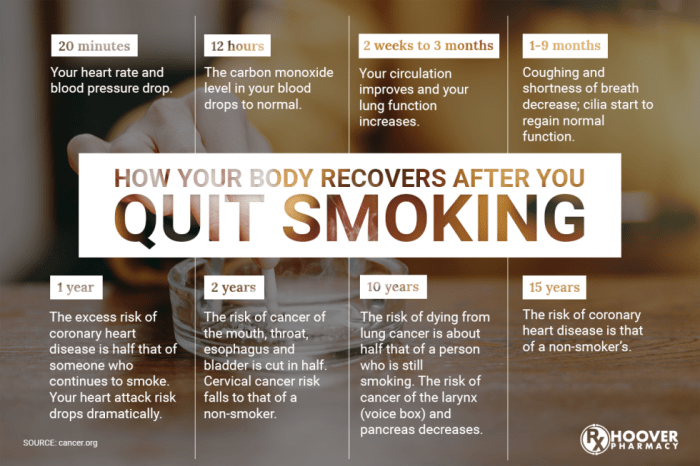
According to the American Heart Association, within 20 minutes of quitting smoking, blood pressure and heart rate drop. Within 12 hours, carbon monoxide levels in the blood return to normal. And within 2-3 months, circulation and lung function improve. Over time, the risk of heart disease decreases, and blood pressure can continue to decrease to healthier levels.
Wellness Programs
Wellness programs play a crucial role in supporting individuals in their journey to quit smoking. These programs are designed to provide holistic support and resources to help individuals overcome their smoking addiction and improve their overall health and well-being.
Types of Wellness Programs for Smoking Cessation
There are various types of wellness programs available to help individuals quit smoking. Some common types include:
- Behavioral Therapy: Programs that focus on changing behaviors and habits associated with smoking.
- Nicotine Replacement Therapy: Programs that provide nicotine replacement products to help reduce withdrawal symptoms.
- Counseling and Support Groups: Programs that offer counseling sessions and support groups to provide emotional support and guidance.
- Exercise and Nutrition Programs: Programs that promote healthy lifestyle habits, such as regular exercise and nutritious diet, to support smoking cessation.
Success Stories
“I joined a wellness program that offered counseling sessions and support groups. With the help of the program, I was able to quit smoking for good and improve my overall health significantly.”
Jane
“The nicotine replacement therapy program provided me with the resources I needed to overcome my cravings and successfully quit smoking. I feel healthier and happier now.”
John
Herbal Remedies
Quitting smoking can be challenging, especially when dealing with cravings and withdrawal symptoms. Herbal remedies are natural alternatives that can help reduce cravings, manage withdrawal symptoms, and support the body during the quitting process.
Herbal Remedies to Reduce Nicotine Cravings
- Valerian Root: Known for its calming effects, valerian root can help reduce anxiety and restlessness often associated with nicotine cravings.
- Peppermint: Peppermint can help curb cravings by providing a refreshing and cooling sensation in the mouth.
- Ginseng: Ginseng is believed to improve mood and increase energy levels, which can be beneficial during the quitting process.
Benefits of Herbal Remedies in Managing Withdrawal Symptoms
- Lobelia: Also known as Indian tobacco, lobelia can mimic the effects of nicotine in the body, helping reduce withdrawal symptoms.
- Passionflower: Passionflower is a natural sedative that can help ease anxiety and promote relaxation, making it easier to cope with withdrawal symptoms.
- Skullcap: Skullcap can help reduce nervousness and irritability often experienced during nicotine withdrawal.
Incorporating Herbal Remedies into a Smoking Cessation Plan
- Consult with a healthcare provider or herbalist to determine the best herbal remedies for your specific needs and health conditions.
- Integrate herbal remedies into your daily routine by incorporating them into teas, tinctures, or capsules as recommended.
- Combine herbal remedies with other smoking cessation strategies such as counseling, support groups, and lifestyle changes for a comprehensive approach.
Skin Health
Quitting smoking not only benefits your internal organs but also has a positive impact on your skin health. Smoking can affect skin elasticity, lead to premature aging, and cause various skin issues. Let’s explore how quitting smoking can help improve skin health.
Impact on Skin Elasticity and Aging
Smoking reduces blood flow to the skin, depriving it of oxygen and essential nutrients. This can lead to a breakdown of collagen and elastin, proteins that maintain skin elasticity. As a result, smokers are more likely to experience sagging skin, fine lines, and wrinkles at a younger age compared to non-smokers.
Role of Antioxidants in Restoring Skin Health
Quitting smoking allows your body to repair the damage caused by smoking, including the skin. Antioxidants play a crucial role in combating the oxidative stress triggered by smoking. By quitting smoking, your body can better absorb antioxidants from food and supplements, helping to restore skin health and slow down the aging process.
Skincare Tips for Individuals Who Have Recently Quit Smoking
- Avoid exposure to harsh sunlight and always wear sunscreen to protect your skin from UV damage.
- Stay hydrated by drinking plenty of water to keep your skin moisturized and healthy.
- Include antioxidant-rich foods in your diet such as berries, nuts, and leafy greens to support skin repair.
- Establish a consistent skincare routine with gentle cleansers, moisturizers, and serums to promote skin rejuvenation.
- Avoid smoking or exposure to secondhand smoke to prevent further damage to your skin.
Bone Density
Smoking can have a negative impact on bone health, leading to reduced bone density and an increased risk of fractures. Quitting smoking is essential to improve bone density and overall bone health.
Connection between Smoking and Reduced Bone Density
Smoking has been linked to decreased bone density because it can interfere with the absorption of calcium, a key mineral for maintaining strong bones. Additionally, smoking can disrupt hormone levels, such as estrogen, which play a crucial role in bone health.
Quitting Smoking to Improve Bone Health
After quitting smoking, the body begins to heal, and bone density can improve over time. It is important to focus on a balanced diet rich in nutrients essential for bone health, such as calcium, vitamin D, and magnesium. Regular exercise, especially weight-bearing and resistance training, can also help strengthen bones and improve bone density.
Nutrients Essential for Maintaining Healthy Bones Post-Smoking Cessation
- Calcium: Important for bone strength and density. Good sources include dairy products, leafy greens, and fortified foods.
- Vitamin D: Essential for calcium absorption. Sunlight exposure and fortified foods are good sources.
- Magnesium: Helps with bone formation and strength. Nuts, seeds, whole grains, and leafy greens are magnesium-rich foods.
Exercise Recommendations to Support Bone Density Improvement
Regular weight-bearing exercises like walking, jogging, dancing, and strength training can help improve bone density. Aim for at least 30 minutes of exercise most days of the week to support bone health. It is also important to include activities that challenge balance and coordination to reduce the risk of falls and fractures.
Muscle Mass
Smoking has detrimental effects on muscle mass as it can lead to decreased muscle strength, endurance, and overall muscle function. The harmful chemicals in cigarettes can impair the body’s ability to repair and build muscle tissues, resulting in muscle wasting and weakness.
Impact of Smoking on Muscle Mass
- Smoking reduces blood flow to the muscles, limiting the delivery of oxygen and essential nutrients needed for muscle growth.
- Cigarette smoke contains toxins that can damage muscle cells and hinder their regeneration.
- Smoking accelerates the breakdown of proteins in the muscles, leading to muscle loss and decreased muscle mass over time.
Quitting Smoking and Muscle Mass Restoration
- When you quit smoking, your body begins to heal and repair the damage caused by smoking, including muscle tissues.
- Improved blood circulation and oxygen delivery post-smoking cessation can enhance muscle recovery and growth.
- Quitting smoking allows the body to utilize nutrients more effectively, promoting muscle repair and rebuilding.
Role of Exercise in Rebuilding Muscle Strength
- Regular exercise, especially strength training and resistance exercises, can help rebuild muscle strength and mass after quitting smoking.
- Exercise stimulates muscle growth, improves muscle tone, and enhances overall muscle function.
- Combining a smoke-free lifestyle with a consistent exercise routine can optimize muscle recovery and development.
Success Stories
- Many individuals who quit smoking and incorporated exercise into their routine have reported significant improvements in muscle mass and strength.
- By staying committed to a healthy lifestyle and engaging in regular physical activity, these individuals have successfully regained muscle mass post-smoking cessation.
- These success stories serve as motivation for others looking to improve their muscle health after quitting smoking.
Dental Care
Smoking not only affects your lungs and heart but also has a detrimental impact on your oral health. The chemicals in tobacco can lead to various dental issues, including gum disease, tooth discoloration, bad breath, and even oral cancer.
Impact of Smoking on Oral Health
- Increased risk of gum disease: Smoking weakens the immune system, making it harder for your body to fight off infections in the gums.
- Tooth discoloration: The tar and nicotine in cigarettes can stain your teeth, leading to yellow or brown discoloration.
- Bad breath: Smoking can cause chronic bad breath due to the buildup of bacteria in the mouth.
- Oral cancer: Smoking is a major risk factor for oral cancer, affecting the lips, tongue, cheeks, and throat.
Benefits of Quitting Smoking for Dental Health
- Improved gum health: Quitting smoking can reduce inflammation in the gums and lower the risk of gum disease.
- Whiter teeth: Stopping smoking can prevent further staining of the teeth and help restore their natural color.
- Fresher breath: Eliminating tobacco use can lead to fresher breath and improved overall oral hygiene.
- Reduced risk of oral cancer: By quitting smoking, you significantly decrease your chances of developing oral cancer.
Oral Hygiene Tips for a Smoke-Free Lifestyle
- Brush your teeth at least twice a day with fluoride toothpaste to remove plaque and prevent cavities.
- Floss daily to clean between the teeth and along the gumline, where toothbrush bristles cannot reach.
- Use an antimicrobial mouthwash to reduce bacteria in the mouth and freshen your breath.
- Visit your dentist regularly for check-ups and professional cleanings to maintain optimal oral health.
Eye Health
Smoking not only affects the lungs and heart but also has a detrimental impact on eye health. The harmful chemicals in tobacco smoke can increase the risk of various eye conditions and diseases.
Benefits of Quitting Smoking for Eye Health Improvement
- Reduced risk of age-related macular degeneration: Smoking is a major risk factor for this leading cause of vision loss in older adults. Quitting smoking can help lower the risk and slow down the progression of this condition.
- Lowered risk of cataracts: Smoking is linked to an increased risk of developing cataracts, a clouding of the lens in the eye that affects vision. Quitting smoking can reduce this risk and improve overall eye health.
- Improved eye circulation: Smoking can restrict blood flow to the eyes, leading to potential damage to the optic nerve and retina. Quitting smoking can improve circulation and protect the delicate structures of the eye.
Nutrients that Support Eye Health Post-Smoking Cessation
- Omega-3 fatty acids: Found in fish, nuts, and seeds, omega-3s have anti-inflammatory properties that can benefit eye health and reduce the risk of certain eye diseases.
- Vitamin C: This antioxidant vitamin can help protect the eyes from damage caused by free radicals and promote overall eye health.
- Lutein and zeaxanthin: These carotenoids are found in green leafy vegetables and eggs and can help maintain healthy vision and reduce the risk of age-related eye conditions.
Tips for Maintaining Optimal Eye Health After Quitting Smoking
- Get regular eye exams: Schedule routine eye check-ups with an optometrist to monitor eye health and address any issues promptly.
- Eat a balanced diet: Include plenty of fruits, vegetables, and whole grains in your meals to provide essential nutrients for eye health.
- Protect your eyes from UV rays: Wear sunglasses that block UVA and UVB rays to prevent damage to the eyes from sun exposure.
Mental Clarity
Quitting smoking not only benefits your physical health but also has a significant impact on your mental clarity and cognitive function. Let’s delve into the cognitive benefits of smoking cessation and how it can improve your overall mental acuity.
Improved Focus and Concentration
Quitting smoking can lead to improved focus and concentration as nicotine withdrawal symptoms start to subside. Nicotine addiction can often cloud the mind and impede cognitive function, making it harder to concentrate on tasks. By eliminating nicotine from your system, you can experience enhanced mental clarity and focus.
Enhanced Memory and Cognitive Function
Nicotine withdrawal may initially cause some cognitive challenges, such as forgetfulness or difficulty processing information. However, as your body adjusts to being smoke-free, you may notice improvements in memory and cognitive function. Your brain will no longer be under the influence of nicotine, allowing for better information retention and mental processing.
Strategies for Enhancing Mental Clarity
Stay hydrated
Drinking plenty of water can help improve brain function and overall mental clarity.
Get regular exercise
Physical activity can boost cognitive function and help clear your mind.
Practice mindfulness or meditation
These techniques can help reduce stress and improve focus.
Get an adequate amount of sleep
Rest is crucial for cognitive function and mental clarity.
Engage in brain-stimulating activities
Puzzles, reading, or learning a new skill can enhance mental acuity.
Joint Flexibility
Smoking can have a negative impact on joint flexibility due to the harmful effects of chemicals in cigarettes on the body’s connective tissues and cartilage. This can lead to stiffness, reduced range of motion, and increased risk of joint pain and inflammation.
Potential Improvements After Quitting Smoking
- Quitting smoking can lead to improved circulation and oxygen flow to the joints, promoting better flexibility and mobility.
- Reduced inflammation in the body post-smoking cessation can also contribute to better joint health and flexibility.
- Overall, quitting smoking can help in slowing down the progression of joint-related conditions like arthritis.
Role of Exercise and Stretching
Regular exercise and stretching routines play a crucial role in enhancing joint flexibility after quitting smoking. These activities help in strengthening the muscles around the joints, improving range of motion, and reducing the risk of stiffness and pain.
Personal Anecdotes
“After quitting smoking, I noticed a significant improvement in my joint flexibility. I was able to move more freely and engage in activities that were challenging before. It was a game-changer for my overall mobility and quality of life.”
“I used to struggle with joint pain and stiffness due to smoking. However, after quitting and incorporating daily stretching exercises into my routine, I experienced a remarkable difference in my flexibility and comfort level.”
Digestive Health
Smoking can have detrimental effects on digestive health, as it can lead to issues such as heartburn, acid reflux, and an increased risk of developing stomach ulcers. The chemicals in cigarettes can weaken the muscles in the esophagus and stomach, leading to improper digestion and absorption of nutrients.
Impact of Quitting Smoking on Digestive Function
Quitting smoking can have a positive impact on digestive function by allowing the body to heal and repair the damage caused by smoking. Within hours of quitting, the body starts to repair the damage done to the digestive system, leading to improved digestion and nutrient absorption.
Dietary Recommendations for Supporting Digestive Health
- Increase fiber intake by consuming fruits, vegetables, whole grains, and legumes.
- Stay hydrated by drinking plenty of water throughout the day.
- Include probiotic-rich foods such as yogurt, kefir, and sauerkraut to promote a healthy gut microbiome.
- Limit intake of spicy and acidic foods that can trigger digestive issues.
Tips for Maintaining a Healthy Digestive System After Quitting Smoking
- Engage in regular physical activity to support digestion and overall gut health.
- Practice mindful eating by chewing food slowly and thoroughly to aid digestion.
- Manage stress levels through relaxation techniques like yoga or meditation.
- Consult with a healthcare provider or nutritionist for personalized advice on maintaining digestive health post-smoking cessation.
Detox Process
After quitting smoking, the body undergoes a natural detoxification process to eliminate the toxins accumulated from years of tobacco use. This process is essential for restoring the body’s balance and promoting overall health and well-being.
Body’s Natural Detoxification Process
- The liver plays a crucial role in detoxifying the body by breaking down harmful substances, including nicotine and other chemicals found in cigarettes.
- The kidneys filter out toxins through urine, helping to cleanse the body of impurities accumulated from smoking.
- The lungs also play a part in the detox process by clearing out mucus and tar buildup, allowing for easier breathing and improved oxygen flow.
Detox Symptoms
-
Withdrawal symptoms:
Individuals may experience cravings, irritability, anxiety, and mood swings as the body adjusts to the absence of nicotine.
-
Respiratory changes:
Coughing, phlegm production, and shortness of breath can occur as the lungs work to expel toxins and clear airways.
-
Digestive issues:
Some may experience nausea, bloating, or changes in bowel movements as the digestive system detoxifies.
Supporting the Detox Process
- Stay hydrated by drinking plenty of water to flush out toxins and support kidney function.
- Eat a balanced diet rich in fruits, vegetables, and whole grains to provide essential nutrients for detoxification.
- Engage in regular exercise to promote circulation, sweat out toxins, and support overall detox efforts.
Blood Pressure
Smoking is closely linked to high blood pressure, as the chemicals in cigarette smoke can damage the blood vessels and lead to narrowing of the arteries. This constriction causes an increase in blood pressure, putting strain on the heart and increasing the risk of heart disease, stroke, and other cardiovascular problems.
Relationship between Smoking and High Blood Pressure
- Cigarette smoke contains harmful chemicals that damage blood vessels
- Narrowing of arteries due to smoking leads to high blood pressure
- Elevated blood pressure puts strain on the heart and increases cardiovascular risks
Quitting Smoking for Improved Blood Pressure Levels
- Quitting smoking can lead to improvements in blood pressure levels
- Within 20 minutes of quitting, blood pressure and heart rate start to drop
- After 1 year of quitting, the risk of heart disease is halved
- Long-term benefits include reduced risk of stroke and heart attacks
Timeframe for Observing Changes in Blood Pressure after Quitting Smoking
- Within 20 minutes: Blood pressure and heart rate start to drop
- Within 24 hours: Carbon monoxide levels in the blood decrease
- Within 2-3 months: Improved circulation and lung function
- After 1 year: Reduced risk of heart disease by half
Tips for Monitoring and Maintaining Healthy Blood Pressure Post-Quitting Smoking
- Regularly monitor blood pressure levels at home or with a healthcare provider
- Adopt a healthy diet rich in fruits, vegetables, and whole grains
- Engage in regular physical activity to support heart health
- Manage stress through relaxation techniques or mindfulness practices
- Avoid excessive salt intake and limit alcohol consumption
Heart Rate
Smoking has detrimental effects on heart rate, as nicotine and other chemicals in cigarettes can cause the heart to beat faster and harder than normal. This increased heart rate puts extra strain on the cardiovascular system, leading to potential long-term health issues.Quitting smoking can help normalize heart rate by allowing the heart to function more efficiently.
As the body begins to heal from the damage caused by smoking, the heart rate can gradually return to a healthier range. This can reduce the risk of heart disease, stroke, and other cardiovascular problems associated with smoking.
Cardiovascular Benefits of Smoking Cessation on Heart Rate
- Improved cardiovascular function: Quitting smoking can improve overall heart health and reduce the risk of heart-related complications.
- Reduced risk of high blood pressure: Normalizing heart rate can help regulate blood pressure levels, reducing the strain on the heart and blood vessels.
- Enhanced exercise capacity: With a normalized heart rate, individuals may experience improved endurance and exercise tolerance.
- Lowered risk of heart attacks: By quitting smoking and improving heart rate, the likelihood of experiencing a heart attack can be significantly reduced.
Tracking heart rate improvements after quitting smoking is essential to monitor progress and celebrate the positive impact on cardiovascular health.
Health Screenings
After quitting smoking, it is crucial to prioritize regular health screenings to monitor the effects of smoking cessation on your overall health.
Importance of Health Screenings
Health screenings play a vital role in detecting any potential health issues early on and can help in preventing serious complications. For individuals who have quit smoking, screenings can provide valuable insights into the improvements in their health post-smoking cessation.
Common Screenings Post-Smoking Cessation
- Blood pressure monitoring to track the impact of quitting smoking on cardiovascular health.
- Lung function tests to assess the recovery of lung function after quitting smoking.
- Cholesterol level checks to monitor improvements in heart health.
- Diabetes screening to evaluate the impact of smoking cessation on glucose levels.
Scheduling and Preparation Tips
- Consult with your healthcare provider to determine the appropriate frequency of health screenings based on your individual health profile.
- Keep a record of your screening appointments and follow-ups to ensure continuity of care.
- Prepare for screenings by following any pre-screening instructions provided by your healthcare team, such as fasting requirements for blood tests.
- Stay informed about the purpose of each screening and discuss any concerns or questions with your healthcare provider.
Vaccination Programs
Vaccination programs play a crucial role in maintaining overall health, especially for individuals who have quit smoking. By boosting immunity through vaccinations, ex-smokers can further protect themselves from various diseases and infections.
Recommended Vaccinations for Ex-Smokers
- Annual Influenza Vaccine: Ex-smokers should consider getting the annual flu shot to prevent seasonal flu and its complications.
- Pneumococcal Vaccine: This vaccine is recommended for ex-smokers to protect against pneumonia and other respiratory infections.
- Tetanus, Diphtheria, and Pertussis (Tdap) Vaccine: Ex-smokers should ensure they are up to date with this vaccine to prevent these serious diseases.
Enhanced Effectiveness of Vaccines after Smoking Cessation
Quitting smoking can improve the immune response to vaccines, making them more effective in providing protection against diseases.
Ex-smokers may experience enhanced antibody production and immune system function, leading to better responses to vaccination.
Incorporating Vaccination Programs into Post-Smoking Cessation Health Plan
- Consult with a healthcare provider to determine the appropriate vaccinations based on individual health status and risk factors.
- Follow the recommended vaccination schedule to ensure optimal protection against preventable diseases.
- Regularly review and update vaccination records to track immunity status and stay current with necessary vaccines.
Healthy Habits
After quitting smoking, adopting healthy habits is crucial for maintaining overall well-being and preventing relapse. These habits not only support long-term smoking cessation but also contribute to improved health outcomes.
Importance of Physical Activity
Regular exercise plays a key role in supporting smoking cessation by reducing cravings and withdrawal symptoms. It also helps in managing stress and improving mood, promoting a healthier lifestyle post-smoking cessation.
Balanced Nutrition
Eating a well-balanced diet rich in fruits, vegetables, whole grains, and lean proteins can aid in the recovery process after quitting smoking. Proper nutrition supports the body’s healing and enhances overall health.
Stress Management Techniques
Learning stress-reduction strategies such as mindfulness, meditation, or yoga can help individuals cope with triggers that may lead to smoking relapse. Managing stress effectively is essential for maintaining a smoke-free lifestyle.
Social Support Networks
Building a strong support system of friends, family, or support groups can provide encouragement and accountability during the quitting process. Surrounding oneself with positive influences can help in sustaining healthy habits.
Quality Sleep
Prioritizing adequate sleep is crucial for overall well-being and can aid in smoking cessation efforts. Getting enough rest helps in regulating mood, reducing cravings, and improving cognitive function, supporting a healthy lifestyle post-smoking.
Balanced Hormones
When it comes to hormonal balance, smoking can significantly disrupt the delicate equilibrium of hormones in the body. Nicotine and other harmful chemicals found in cigarettes can interfere with the production and regulation of various hormones, leading to imbalances that can affect overall health.
Impact of Smoking on Hormonal Balance
- Smoking can elevate cortisol levels, also known as the stress hormone, which can contribute to increased blood pressure and weight gain.
- Nicotine can disrupt insulin production and sensitivity, leading to potential issues with blood sugar regulation and increased risk of diabetes.
- Cigarette smoke can affect estrogen and testosterone levels, impacting reproductive health and fertility in both men and women.
Benefits of Quitting Smoking for Restoring Hormonal Equilibrium
- Quitting smoking can help normalize cortisol levels, reducing stress and improving overall hormonal balance.
- By eliminating nicotine from the body, insulin production and sensitivity can improve, aiding in better blood sugar control.
- Restoring estrogen and testosterone levels after quitting smoking can positively impact reproductive health and fertility.
Supporting Hormonal Balance Post-Smoking Cessation
After quitting smoking, it’s important to focus on a nutrient-rich diet and regular exercise to support hormonal balance. Foods rich in omega-3 fatty acids, antioxidants, and vitamins like B and D can help regulate hormone production. Additionally, activities like yoga, meditation, and strength training can aid in reducing stress and promoting hormonal health.
Maintaining Balanced Hormones Without Smoking
Even without smoking, it’s crucial to continue healthy habits to maintain balanced hormones. Regular physical activity, stress management techniques, and a balanced diet are key components in supporting hormonal equilibrium. Consulting with healthcare professionals or nutritionists can also provide personalized guidance on hormone-balancing strategies.
Health Coaching
Health coaching plays a crucial role in supporting individuals through the process of quitting smoking. This personalized approach focuses on providing strategies and guidance tailored to each individual’s unique needs and circumstances.
Personalized Strategies for Smoking Cessation
- Health coaches work closely with individuals to develop personalized plans for quitting smoking, taking into account factors such as smoking triggers, habits, and motivation levels.
- By addressing both the physical and psychological aspects of nicotine addiction, health coaches can help individuals navigate challenges and develop coping mechanisms for cravings and withdrawal symptoms.
- Through ongoing support and accountability, health coaches empower individuals to stay committed to their smoking cessation goals and make lasting lifestyle changes.
Benefits of Working with a Health Coach
- Health coaching provides a supportive and non-judgmental environment for individuals to explore their smoking habits, motivations, and barriers to quitting.
- By fostering a sense of empowerment and self-efficacy, health coaches help individuals build confidence in their ability to quit smoking and improve their overall health and well-being.
- Long-term engagement with a health coach can lead to sustained behavior change, lower relapse rates, and improved outcomes in smoking cessation and other health goals.
Success Stories of Health Coaching in Quitting Smoking
- John, a long-time smoker, successfully quit smoking with the help of a health coach who provided personalized strategies, ongoing support, and encouragement throughout his journey.
- Maria, a busy professional, found success in quitting smoking by working with a health coach who helped her develop a customized plan that fit her lifestyle and schedule.
- By collaborating with a health coach, Tom overcame his smoking addiction, improved his overall health, and gained valuable skills and knowledge to maintain a smoke-free life.
Fitness Goals

Setting fitness goals after quitting smoking is crucial for maintaining a healthy lifestyle. Regular exercise not only supports smoking cessation but also contributes to overall well-being. Physical activity plays a significant role in helping individuals maintain a smoke-free lifestyle by reducing cravings, managing stress, and improving mood.
Importance of Setting Fitness Goals
- Setting fitness goals provides motivation and a sense of achievement, which can help individuals stay committed to their smoke-free journey.
- Regular exercise boosts metabolism, increases energy levels, and improves cardiovascular health, all of which are essential for those who have quit smoking.
- Physical activity can help distract from smoking triggers and provide a healthy outlet for stress relief, reducing the likelihood of relapse.
Tips for Achieving Fitness Goals Post-Smoking Cessation
- Start with realistic and achievable goals to avoid feeling overwhelmed or discouraged.
- Choose activities that you enjoy to make exercise a positive and sustainable habit.
- Set specific and measurable goals, such as running a certain distance or lifting a particular weight, to track your progress effectively.
- Stay consistent with your exercise routine and gradually increase intensity or duration to continue challenging yourself.
- Consider seeking support from a fitness coach or joining group classes to stay motivated and accountable.
Diet Planning
When it comes to quitting smoking, diet planning plays a crucial role in supporting the journey towards a smoke-free lifestyle. The foods we consume can impact our cravings, withdrawal symptoms, and overall health post-quitting smoking.
Impact of Nutrition on Smoking Cessation
Nutrition can significantly influence the success of quitting smoking. Certain foods can help reduce cravings and manage withdrawal symptoms, making the process more manageable. By incorporating a balanced diet plan, individuals can better cope with the challenges of quitting smoking.
Creating a Balanced Diet Plan
- Include plenty of fruits and vegetables to provide essential vitamins and minerals that support overall health.
- Incorporate whole grains such as oats, quinoa, and brown rice for sustained energy levels.
- Opt for lean protein sources like chicken, fish, beans, and tofu to support muscle health.
- Avoid processed foods, sugary snacks, and excessive caffeine that may trigger cravings.
Healthy Recipes and Meal Ideas
- Start your day with a nutritious breakfast like overnight oats with fruits and nuts.
- For lunch, enjoy a colorful salad with mixed greens, grilled chicken, and a variety of vegetables.
- Snack on fresh fruits, nuts, or yogurt to keep cravings at bay throughout the day.
- Prepare a balanced dinner with roasted vegetables, quinoa, and a lean protein of your choice for a satisfying meal.
Health Supplements
When quitting smoking, incorporating health supplements into your routine can provide numerous benefits to support your body’s recovery process.
Essential Nutrients Depleted by Smoking
- Smoking depletes essential nutrients like Vitamin C, Vitamin E, and Omega-3 fatty acids in the body.
- These nutrients play crucial roles in immune function, oxidative stress reduction, and overall health.
- Health supplements can help replenish these nutrients and support the body’s healing process post-smoking cessation.
Benefits of Health Supplements
- Health supplements can help reduce inflammation and oxidative stress caused by smoking.
- They can support cardiovascular health and improve blood circulation.
- Supplements like Coenzyme Q10 can help boost energy levels and overall vitality.
Tips for Choosing and Incorporating Health Supplements
- Consult with a healthcare provider or nutritionist to determine which supplements are best for your needs.
- Look for high-quality supplements from reputable brands to ensure purity and effectiveness.
- Follow dosage instructions carefully and monitor any changes in your body’s response to the supplements.
- Incorporate supplements into your daily routine consistently for optimal benefits.
Breathing Techniques
Breathing techniques play a crucial role in managing cravings and stress during the process of quitting smoking. By incorporating specific breathing exercises into your daily routine, you can promote relaxation, reduce anxiety, and better cope with triggers that may tempt you to smoke again.
Importance of Breathing Techniques
Practicing deep breathing exercises can help calm your mind and body, allowing you to navigate through moments of intense cravings or stress without turning to cigarettes. By focusing on your breath, you can redirect your attention away from the urge to smoke and regain control over your emotions.
Specific Breathing Exercises for Relaxation
- Belly Breathing: Place one hand on your chest and the other on your belly. Inhale deeply through your nose, letting your belly rise as you fill your lungs with air. Exhale slowly through your mouth, feeling your belly fall.
Repeat this process for several minutes to induce a sense of calm.
- 4-7-8 Breathing: Inhale quietly through your nose for a count of 4, hold your breath for a count of 7, and exhale audibly through your mouth for a count of 8. This technique can help regulate your breathing and reduce anxiety.
Coping with Triggers through Breathing Techniques, Benefits of quitting smoking for blood pressure improvement
- Box Breathing: Visualize a box and trace each side with your breath. Inhale for a count of 4, hold for 4, exhale for 4, and hold for 4 again. This pattern can disrupt the cycle of cravings triggered by certain situations or emotions.
- Nostril Breathing: Close one nostril with your thumb and inhale deeply through the other nostril. Switch sides and exhale through the opposite nostril. This technique can help balance your energy and promote a sense of equilibrium.
Disease Prevention
Smoking cessation plays a crucial role in preventing various diseases by reducing the harmful effects of tobacco on the body. Quitting smoking can significantly lower the risk of developing smoking-related illnesses and improve overall health and well-being.
Reduced Risk of Disease
- Heart Disease: Smoking is a major risk factor for heart disease, and quitting can lower the risk of heart attacks, strokes, and other cardiovascular conditions.
- Lung Cancer: Smoking is the leading cause of lung cancer, and quitting can reduce the risk of developing this deadly disease.
- Respiratory Conditions: Smoking can lead to chronic respiratory conditions like chronic bronchitis and emphysema, but quitting can improve lung function and reduce the risk of such conditions.
- Other Cancers: Smoking is linked to various types of cancer, including throat, mouth, bladder, and pancreatic cancer. Quitting smoking can lower the risk of developing these cancers.
Long-Term Benefits
- Improved Immune System: Quitting smoking can strengthen the immune system, making the body better equipped to fight off infections and illnesses.
- Enhanced Overall Health: By preventing diseases associated with smoking, individuals can enjoy improved overall health and longevity.
- Better Quality of Life: Disease prevention through smoking cessation can lead to a better quality of life, with fewer health complications and medical issues.
Pain Management
Quitting smoking can have a significant impact on improving pain management for individuals dealing with chronic pain conditions. The harmful chemicals in cigarettes can exacerbate inflammation and contribute to pain sensitivity, making it harder to manage discomfort effectively. By quitting smoking, individuals can experience a reduction in pain symptoms and an overall improvement in their quality of life.
Impact of Smoking on Chronic Pain
- Smoking can worsen conditions such as arthritis, fibromyalgia, and back pain due to its inflammatory effects on the body.
- Nicotine can also decrease blood flow to the areas affected by pain, leading to increased discomfort and reduced healing.
- Quitting smoking can help reduce inflammation, improve blood circulation, and promote better pain management over time.
Role of Lifestyle Changes and Therapies
- Engaging in regular exercise, maintaining a healthy diet, and practicing relaxation techniques can complement the effects of quitting smoking on pain relief.
- Physical therapy, acupuncture, massage therapy, and chiropractic care are alternative therapies that can aid in managing pain post-smoking cessation.
- Adopting a holistic approach to pain management can address the underlying causes of discomfort and promote long-term relief.
Personal Testimonials and Case Studies
After quitting smoking, many individuals have reported a noticeable decrease in their pain levels, improved mobility, and enhanced overall well-being.
Case studies have shown that pain symptoms related to smoking-related conditions can significantly improve within a few weeks to months after quitting.
Holistic Treatments
Holistic treatments focus on treating the individual as a whole, addressing not only the physical symptoms but also the mental and emotional aspects of smoking cessation. These alternative therapies and practices can complement traditional methods of quitting smoking by providing a more comprehensive approach to wellness.
Acupuncture
Acupuncture is a traditional Chinese medicine practice that involves inserting thin needles into specific points on the body to promote healing and alleviate cravings. This holistic treatment can help reduce withdrawal symptoms and cravings associated with quitting smoking.
Meditation and Mindfulness
Meditation and mindfulness techniques can help individuals manage stress, anxiety, and cravings during the quitting process. By promoting relaxation and focusing on the present moment, these practices can support emotional well-being and enhance the overall smoking cessation journey.
Herbal Remedies
Herbal remedies, such as valerian root and St. John’s Wort, have been used for centuries to aid in smoking cessation. These natural supplements can help reduce cravings, support detoxification, and promote overall well-being during the quitting process.
Yoga and Tai Chi
Yoga and Tai Chi are mind-body exercises that focus on movement, breath, and mindfulness. These practices can help individuals improve their physical health, reduce stress, and enhance self-awareness, making them valuable tools in supporting smoking cessation.
Aromatherapy
Aromatherapy involves using essential oils to promote relaxation, reduce cravings, and improve mood. Certain scents, such as lavender and peppermint, can help individuals manage stress and cravings while quitting smoking, contributing to a holistic approach to wellness.
Mental Resilience
Building mental resilience is crucial when it comes to quitting smoking. It involves developing the ability to bounce back from setbacks, cope with stress, and stay committed to your goal of leading a smoke-free life. Mental toughness plays a significant role in overcoming challenges during the smoking cessation process.
Strategies for Enhancing Mental Resilience
- Practice mindfulness and self-awareness to manage cravings and triggers effectively.
- Engage in regular physical exercise to boost mood, reduce anxiety, and improve overall mental well-being.
- Establish a strong support system with friends, family, or a support group to lean on during difficult times.
- Utilize stress-relief techniques such as deep breathing, meditation, or yoga to stay calm and focused.
- Celebrate small victories along the way to boost confidence and motivation.
Closing Notes
In conclusion, quitting smoking not only enhances your lung health but also plays a crucial role in improving your blood pressure levels. By making this positive lifestyle change, you are taking a significant step towards a healthier heart and overall well-being.
Embrace the benefits of a smoke-free life and prioritize your cardiovascular health starting today.
Q&A
How does quitting smoking affect blood pressure?
Quitting smoking can lead to a decrease in blood pressure levels, reducing the risk of cardiovascular issues.
Are there specific timelines for observing blood pressure improvements after quitting smoking?
Individuals may start noticing positive changes in blood pressure within weeks to months after quitting smoking.
Can quitting smoking alone improve blood pressure, or are there other lifestyle changes required?
While quitting smoking is beneficial, incorporating healthy habits like regular exercise and a balanced diet can further enhance blood pressure improvement.


