
Cardiovascular health and resting heart rate are crucial aspects of overall well-being. Understanding how they are interconnected can lead to significant improvements in our health. Let’s delve into this vital topic to uncover the secrets behind a healthy heart and body.
Cardiovascular Health and Resting Heart Rate
Cardiovascular health and resting heart rate are closely linked, as the latter can serve as an indicator of the former. A lower resting heart rate is generally associated with better cardiovascular fitness and overall heart health.
The Relationship Between Cardiovascular Health and Resting Heart Rate
Resting heart rate refers to the number of times your heart beats per minute when you are at rest. Regular physical activity and cardiovascular exercise can lead to a lower resting heart rate, which indicates that your heart is functioning more efficiently.
Indicator of Cardiovascular Fitness
- Having a lower resting heart rate is often a sign of good cardiovascular fitness, as it means your heart doesn’t have to work as hard to pump blood throughout your body.
- An ideal resting heart rate is typically between 60 to 100 beats per minute for adults, with lower rates generally being associated with better cardiovascular health.
Activities to Improve Cardiovascular Health
Engaging in regular aerobic exercises such as running, swimming, cycling, or brisk walking can help improve cardiovascular health and lower resting heart rate. These activities can strengthen the heart muscle, improve circulation, and increase overall cardiovascular fitness.
Wellness Programs
Wellness programs are comprehensive initiatives designed to promote overall health and well-being by addressing various aspects of physical, mental, and emotional wellness. These programs typically include a combination of educational resources, activities, and support services to help individuals improve their health habits and make positive lifestyle changes.
Components of an Effective Wellness Program
- Regular Exercise: Incorporating physical activity into daily routines to improve cardiovascular health and lower resting heart rate.
- Healthy Nutrition: Providing access to nutritious foods and promoting healthy eating habits to support heart health.
- Stress Management: Offering tools and techniques to reduce stress levels, which can impact heart rate and overall cardiovascular health.
- Health Screenings: Conducting regular health assessments to monitor risk factors and track progress towards health goals.
Impact on Cardiovascular Health and Resting Heart Rate
- Regular exercise in wellness programs can strengthen the heart muscle, improve circulation, and lower resting heart rate over time.
- Healthy nutrition promotes better heart health, reduces the risk of cardiovascular diseases, and helps maintain a healthy resting heart rate.
- Effective stress management techniques can lower heart rate variability and reduce the risk of heart-related conditions.
Importance of Incorporating Wellness Programs into Daily Routines
Integrating wellness programs into daily routines helps individuals establish healthy habits, maintain consistent behaviors, and sustain long-term improvements in cardiovascular health. By making wellness a priority in daily life, individuals can proactively manage their heart health and reduce the risk of heart-related complications.
Examples of Successful Wellness Programs
- The “Healthy Heart Challenge” program offered by a local community center encouraged participants to engage in regular exercise, adopt heart-healthy eating habits, and attend stress management workshops. As a result, participants saw significant improvements in cardiovascular fitness and resting heart rate measurements.
- The corporate wellness program implemented by a leading tech company provided employees with access to on-site fitness classes, healthy meal options, and mental health resources. Employees who actively participated in the program reported lower resting heart rates and improved overall well-being.
Herbal Remedies: Cardiovascular Health And Resting Heart Rate
Herbal remedies have been used for centuries to promote cardiovascular health and support overall well-being. These natural remedies derived from plants and herbs are known for their potential benefits in regulating heart health and resting heart rate.
Specific Herbs for Heart Health
There are several specific herbs that have been traditionally used to promote heart health and regulate resting heart rate. Some of these herbs include:
- Hawthorn: Known for its cardiovascular benefits, hawthorn may help improve circulation and support heart function.
- Garlic: Garlic is believed to help lower blood pressure and cholesterol levels, reducing the risk of heart disease.
- Ginger: With anti-inflammatory properties, ginger can support cardiovascular health and improve blood circulation.
- Ginkgo Biloba: This herb may help improve blood flow to the heart and brain, supporting overall cardiovascular function.
Potential Benefits and Risks
While herbal remedies can offer potential benefits for cardiovascular health, it is important to note that they may also come with risks. Some herbs can interact with medications or cause adverse effects, so it is essential to consult with a healthcare professional before incorporating them into your wellness routine.
Traditional Herbal Remedies
Various traditional herbal remedies have been used to support heart health and overall well-being. These remedies often focus on promoting circulation, reducing inflammation, and supporting the heart’s function. Examples include:
- Arjuna: Used in Ayurvedic medicine, arjuna is known for its heart-protective properties and ability to support cardiovascular function.
- Holy Basil: Also known as Tulsi, holy basil is considered an adaptogenic herb that may help reduce stress and support heart health.
- Hawthorn: As mentioned earlier, hawthorn is a popular herb used to promote heart health and circulation.
Skin Health
Skin health is closely linked to cardiovascular health, as the circulatory system plays a vital role in delivering essential nutrients and oxygen to the skin cells. Poor cardiovascular health can lead to inadequate blood flow, depriving the skin of necessary nutrients and oxygen, resulting in dullness, dryness, and other skin issues.
Impact on Skin Appearance
Cardiovascular health directly impacts the overall appearance and health of the skin. Reduced blood flow can result in a lackluster complexion, premature aging, and increased sensitivity. On the other hand, good cardiovascular health can promote a radiant, youthful complexion by ensuring proper circulation and delivery of nutrients to the skin cells.
Skincare Practices
To indirectly benefit cardiovascular health, skincare practices that promote circulation and overall skin health can be beneficial. Regular exfoliation, moisturizing, and using products rich in antioxidants can help maintain healthy skin and support cardiovascular function by reducing inflammation and oxidative stress.
Lifestyle Choices
Maintaining healthy skin through lifestyle choices that support heart health includes staying hydrated, eating a balanced diet rich in fruits and vegetables, getting regular exercise, managing stress, and avoiding smoking and excessive sun exposure. These habits not only promote skin health but also contribute to overall cardiovascular wellness.
Bone Density
Maintaining strong bones is essential for overall health and wellbeing. The relationship between cardiovascular health, resting heart rate, and bone density is interconnected. Regular physical activity plays a significant role in improving both cardiovascular health and bone density.
Benefits of Regular Physical Activity
Regular physical activity, such as weight-bearing exercises and resistance training, can help improve bone density. These activities stimulate the bones to become stronger and denser over time. In addition, exercises that elevate the heart rate, such as running, swimming, or cycling, can improve cardiovascular health.
- Weight-bearing exercises: Activities like walking, jogging, dancing, and hiking can help strengthen bones and improve bone density.
- Resistance training: Lifting weights or using resistance bands can also promote bone health by putting stress on the bones, encouraging them to become stronger.
- High-intensity interval training (HIIT): Short bursts of intense exercise followed by brief rest periods can be beneficial for both cardiovascular health and bone density.
- Yoga and Pilates: These low-impact exercises focus on improving flexibility, balance, and strength, which can support overall bone health.
Muscle Mass
Cardiovascular health and resting heart rate play a crucial role in maintaining muscle mass. The relationship between these factors is important for overall health and fitness.
Role of Strength Training
Strength training is essential for promoting both cardiovascular health and muscle growth. By engaging in resistance exercises, individuals can improve their muscle mass while also benefiting their heart health. Strength training helps increase muscle strength, endurance, and size, contributing to overall fitness and well-being.
- Strength training exercises such as weightlifting, bodyweight exercises, and resistance band workouts can help build and maintain muscle mass.
- Increasing muscle mass can also boost metabolism, aid in weight management, and improve overall body composition.
- Combining cardiovascular exercise with strength training can enhance overall fitness levels and promote a healthy balance between cardiovascular health and muscle mass.
It is essential to incorporate a variety of strength training exercises targeting different muscle groups to achieve optimal results.
Tips for Incorporating Strength Training
Strength training is a valuable component of any fitness routine, and incorporating it effectively can support cardiovascular health and muscle development.
- Start with bodyweight exercises such as push-ups, squats, and planks to build a foundation of strength.
- Gradually progress to using weights or resistance bands to challenge your muscles and stimulate growth.
- Include compound exercises like deadlifts, squats, and bench presses to target multiple muscle groups simultaneously.
- Ensure proper form and technique to prevent injuries and maximize the effectiveness of your strength training workouts.
- Listen to your body, rest adequately between workouts, and allow for muscle recovery to support growth and development.
Dental Care
Good dental care is not only essential for maintaining a healthy smile but also plays a crucial role in overall cardiovascular health. The connection between dental health and heart health is more significant than one might realize.
The Link Between Dental Health and Cardiovascular Health
Poor oral hygiene can lead to gum disease, which in turn can cause inflammation in the body. This inflammation can affect the heart by increasing the risk of cardiovascular diseases such as heart attacks and strokes.
Effects of Oral Hygiene on Resting Heart Rate
Regular brushing, flossing, and dental check-ups can help prevent gum disease and reduce inflammation in the body. By maintaining good oral hygiene practices, you can potentially lower your resting heart rate and support overall heart health.
Risks of Poor Dental Care on Cardiovascular Health
Poor dental care can lead to the growth of harmful bacteria in the mouth, which can enter the bloodstream and contribute to the development of cardiovascular problems. Neglecting dental health can increase the risk of heart disease and other related conditions.
Tips for Maintaining Good Dental Health
- Brush your teeth at least twice a day with fluoride toothpaste.
- Floss daily to remove plaque and food particles between your teeth.
- Visit your dentist regularly for check-ups and professional cleanings.
- Limit sugary and acidic foods and drinks that can harm your teeth.
- Avoid tobacco products, as they can contribute to gum disease and other oral health issues.
Eye Health
Maintaining good eye health is essential for overall well-being. The impact of cardiovascular health and resting heart rate on eye health is significant, as these factors can directly affect the blood flow to the eyes and the efficiency of the visual system.
Conditions like high blood pressure can have negative effects on eye health, leading to vision problems and even eye diseases if left untreated.
Effects of High Blood Pressure on Eye Health
High blood pressure can damage the blood vessels in the eyes, causing them to narrow or bleed. This can result in vision problems such as blurred vision, double vision, or even vision loss. It is important to monitor blood pressure levels regularly and manage hypertension effectively to prevent potential complications in eye health.
Lifestyle Choices for Cardiovascular and Eye Health
Making healthy lifestyle choices can benefit both cardiovascular health and eye health. Regular exercise, a balanced diet rich in antioxidants and nutrients, and avoiding smoking can improve blood circulation, reduce inflammation, and support overall heart health, which in turn benefits eye health.
- Avoiding prolonged screen time and taking regular breaks to rest the eyes can prevent eye strain and reduce the risk of developing conditions like dry eyes or digital eye strain.
- Wearing sunglasses with UV protection when outdoors can protect the eyes from harmful UV rays and reduce the risk of cataracts and other sun-related eye damage.
- Getting regular eye exams to detect any early signs of eye conditions or diseases and seeking prompt treatment can help preserve vision and maintain eye health.
Mental Clarity
Cardiovascular health and resting heart rate play a significant role in mental clarity. When our cardiovascular system is functioning optimally and our resting heart rate is within a healthy range, our brain receives an adequate supply of oxygen and nutrients, which is essential for cognitive function and mental clarity.
Enhanced Cognitive Function
Regular physical activity that improves cardiovascular fitness can enhance cognitive function and mental clarity. Exercise helps increase blood flow to the brain, promoting the growth of new blood vessels and brain cells. This, in turn, can improve memory, focus, and overall mental acuity.
- Engaging in aerobic exercises such as running, swimming, or cycling can boost brain health by increasing the production of neurotrophic factors that support cognitive function.
- Strength training exercises like weightlifting can also have a positive impact on mental clarity by reducing inflammation and promoting the release of endorphins, which can improve mood and cognitive performance.
Practices for Mental Clarity
In addition to regular physical activity, there are other practices that can support cardiovascular health and promote mental clarity. These practices include mindfulness meditation, deep breathing exercises, and adequate sleep.
- Practicing mindfulness meditation can help reduce stress and improve focus, leading to enhanced mental clarity and cognitive function.
- Deep breathing exercises can promote relaxation and increase oxygen flow to the brain, supporting mental clarity and alertness.
- Getting an adequate amount of quality sleep each night is crucial for brain health and cognitive function. Sleep allows the brain to consolidate memories and recharge, contributing to improved mental clarity during the day.
Joint Flexibility
Regular exercise and maintaining cardiovascular health can have a significant impact on joint flexibility. By engaging in activities that promote cardiovascular fitness, individuals can also improve their joint flexibility, leading to better overall mobility and cardiovascular wellness.
Benefits of Improved Joint Flexibility
- Reduced risk of injury during physical activities
- Enhanced range of motion in joints
- Improved posture and balance
- Decreased joint pain and stiffness
Exercises for Joint Flexibility and Cardiovascular Health
- Yoga: Incorporating yoga poses can help stretch and strengthen muscles while promoting cardiovascular health.
- Pilates: Pilates exercises focus on core strength and flexibility, benefiting joint mobility and overall fitness.
- Swimming: Swimming is a low-impact exercise that can improve cardiovascular endurance and promote joint flexibility.
- Cycling: Cycling is a great way to increase heart rate while also engaging the lower body muscles and improving joint flexibility.
It is essential to incorporate a variety of exercises that target different muscle groups to enhance joint flexibility and cardiovascular health simultaneously.
Digestive Health
When it comes to overall health, the connection between cardiovascular health, resting heart rate, and digestive health cannot be overlooked. A healthy cardiovascular system plays a crucial role in supporting optimal digestion, and vice versa.
The Role of Cardiovascular Health in Digestive Wellness
A healthy cardiovascular system promotes good blood circulation, including to the digestive organs. This ensures that essential nutrients are efficiently delivered to the digestive system, supporting its optimal function.
Additionally, a strong cardiovascular system can help reduce the risk of conditions like hypertension and heart disease, which can negatively impact digestive health in the long run.
Dietary Choices for Cardiovascular and Digestive Health
- Include plenty of fiber-rich foods like fruits, vegetables, whole grains, and legumes in your diet. Fiber supports heart health and aids in digestion by promoting regular bowel movements.
- Opt for lean proteins, healthy fats, and foods rich in antioxidants to support both cardiovascular and digestive wellness.
- Avoid excessive intake of processed foods, saturated fats, and sugars, which can contribute to heart disease and digestive issues.
Tips for Maintaining Good Digestive Health
- Stay hydrated by drinking an adequate amount of water throughout the day to support digestion and overall health.
- Eat mindfully, chewing food slowly and thoroughly to aid in digestion and prevent issues like bloating and indigestion.
- Incorporate probiotic-rich foods like yogurt, kefir, and sauerkraut into your diet to promote a healthy gut microbiome and improve digestive function.
Detox Process
Cardiovascular health and resting heart rate play a crucial role in the body’s detoxification process. By maintaining a healthy heart rate and overall cardiovascular wellness, the body is better equipped to eliminate toxins and waste effectively.
Impact of Physical Activity
Regular physical activity supports the body’s natural detox mechanisms by promoting circulation, which helps flush out toxins through sweat and improved lymphatic flow. Exercise also enhances cardiovascular health, leading to better overall detoxification processes.
Lifestyle Habits for Detoxification
- Adequate hydration: Drinking plenty of water helps the body flush out toxins more efficiently.
- Healthy diet: Consuming nutrient-rich foods like fruits, vegetables, and whole grains provides essential antioxidants and nutrients that support detoxification.
- Reducing alcohol and caffeine intake: Limiting these substances can reduce the burden on the liver and support detox processes.
- Regular sauna or steam sessions: Sweating through heat therapy can aid in toxin removal through the skin.
Incorporating Detox Practices
- Try incorporating detoxifying foods like lemon water, green tea, and cruciferous vegetables into your daily diet.
- Practice deep breathing exercises to support oxygenation of cells and enhance detox processes.
- Consider periodic juice cleanses or fasting to give your digestive system a break and promote detoxification.
- Consult with a healthcare provider or nutritionist for personalized detox plans that align with your cardiovascular health goals.
Blood Pressure
Maintaining healthy blood pressure levels is crucial for overall heart health. Let’s explore the relationship between cardiovascular health, resting heart rate, and blood pressure, as well as lifestyle modifications to improve cardiovascular health.
Link between Resting Heart Rate and Blood Pressure
Elevated resting heart rate can be linked to high blood pressure. When the heart beats faster at rest, it can put additional strain on the arteries, leading to an increase in blood pressure. This can be a sign of an overworked heart and potential cardiovascular issues.
Lifestyle Modifications for Regulating Blood Pressure
- Aim for a healthy diet rich in fruits, vegetables, whole grains, and lean proteins to help manage blood pressure levels.
- Engage in regular physical activity to strengthen the heart and improve circulation, which can help regulate blood pressure.
- Reduce salt intake as high sodium levels can contribute to high blood pressure.
- Manage stress through relaxation techniques like meditation, yoga, or deep breathing exercises to lower blood pressure.
Monitoring and Maintaining Healthy Blood Pressure Levels
- Regularly check blood pressure at home or visit a healthcare professional for monitoring.
- Follow a consistent exercise routine and maintain a healthy weight to support heart health and regulate blood pressure.
- Avoid smoking and limit alcohol consumption to help maintain healthy blood pressure levels.
- Consider incorporating foods rich in potassium, magnesium, and fiber as part of a heart-healthy diet.
Health Screenings
Regular health screenings play a crucial role in monitoring cardiovascular health and resting heart rate. These screenings help in early detection of any potential issues, allowing for prompt intervention and prevention of serious heart conditions.
Common Screenings for Heart Health
- Cholesterol Levels: High cholesterol levels can increase the risk of heart disease.
- Blood Pressure: Monitoring blood pressure levels can help in detecting hypertension.
- Electrocardiogram (ECG): This test records the electrical activity of the heart, identifying irregularities.
- Stress Test: Evaluates how the heart responds to stress and exercise.
Role of Early Detection
Regular health screenings can detect issues before they escalate, enabling early intervention to prevent serious cardiovascular problems. Early detection through screenings can significantly reduce the risk of heart attacks, strokes, and other complications.
Benefits of Regular Screenings
- Prevention: Early detection allows for timely treatment and prevention of heart issues.
- Monitoring: Screenings help in monitoring heart health and assessing the effectiveness of lifestyle changes.
- Peace of Mind: Regular screenings provide reassurance and peace of mind regarding heart health.
Vaccination Programs
Vaccination programs play a crucial role in promoting cardiovascular health by protecting individuals from diseases that can have a negative impact on heart wellness. By ensuring that individuals are vaccinated against certain illnesses, the risk of developing conditions that can harm the heart is significantly reduced.
Significance of Vaccinations for Cardiovascular Health
Vaccinations are essential in protecting against diseases such as influenza, pneumonia, and hepatitis, which can pose a threat to heart health. These illnesses can lead to complications like inflammation, which can increase the risk of cardiovascular issues like heart attacks and strokes.
By staying up to date with recommended vaccinations, individuals can lower their chances of experiencing these detrimental effects on their heart.
Connection Between Vaccination Status and Cardiovascular Wellness
Maintaining a good vaccination status is directly linked to overall cardiovascular wellness. By preventing infections and diseases that can weaken the immune system and harm the heart, individuals can support their cardiovascular health. Vaccinations not only protect the individual but also contribute to the well-being of the community by reducing the spread of infectious diseases.
Recommended Vaccinations for Heart Health
Influenza (flu) vaccine
Protects against seasonal flu viruses that can lead to complications affecting the heart.
Pneumococcal vaccine
Helps prevent pneumonia, a respiratory infection that can cause inflammation and impact heart function.
Hepatitis B vaccine
Guards against hepatitis B infection, which can lead to liver inflammation and potentially affect heart health.
COVID-19 vaccine
Protects against the severe respiratory illness caused by the coronavirus, reducing the risk of complications that can strain the heart.
Healthy Habits
Maintaining cardiovascular health and optimizing resting heart rate require the cultivation of healthy habits that support overall wellbeing. Lifestyle choices play a significant role in influencing heart health, and adopting sustainable habits can lead to long-term benefits for your cardiovascular system.
Daily Exercise
Regular physical activity is essential for maintaining a healthy heart rate and cardiovascular system. Aim for at least 30 minutes of moderate exercise, such as brisk walking, cycling, or swimming, most days of the week. Incorporating strength training exercises can also help improve heart health.
Healthy Diet
Eating a balanced diet rich in fruits, vegetables, whole grains, lean proteins, and healthy fats can positively impact your heart health. Limiting processed foods, sugary drinks, and excessive salt intake can help lower the risk of heart disease and maintain a healthy heart rate.
Stress Management
Chronic stress can contribute to heart problems and elevated heart rate. Practice stress-reducing techniques such as deep breathing, meditation, yoga, or spending time in nature to help manage stress levels and promote cardiovascular health.
Adequate Sleep
Getting enough quality sleep is crucial for heart health and maintaining an optimal resting heart rate. Aim for 7-9 hours of sleep per night to support your cardiovascular system and overall wellbeing.
Avoid Smoking and Limit Alcohol
Smoking and excessive alcohol consumption can have detrimental effects on heart health and increase the risk of cardiovascular disease. Quitting smoking and moderating alcohol intake are important steps towards maintaining a healthy heart rate.
Balanced Hormones
Having balanced hormones plays a crucial role in supporting cardiovascular health and maintaining a healthy resting heart rate. Hormones are chemical messengers that regulate various bodily functions, including heart function and blood circulation.
Impact of Hormonal Imbalances on Heart Health
When there is an imbalance in hormones, it can negatively impact heart health and overall wellness. Hormonal fluctuations can lead to increased heart rate, elevated blood pressure, and irregular heartbeats, which can put a strain on the cardiovascular system.
Lifestyle Factors for Hormonal Balance
- Regular Exercise: Engaging in physical activity can help regulate hormone levels, reduce stress, and improve cardiovascular function.
- Healthy Diet: Consuming a balanced diet rich in nutrients can support hormonal balance and promote heart health.
- Adequate Sleep: Getting enough quality sleep is essential for hormone production and overall well-being.
- Stress Management: Chronic stress can disrupt hormone levels, so practicing relaxation techniques can help maintain balance.
Promoting Hormonal Equilibrium for Heart Rate Regulation
Optimal hormonal balance is key to regulating heart rate and supporting cardiovascular wellness.
By adopting a healthy lifestyle that includes regular exercise, proper nutrition, sufficient sleep, and stress management, you can promote hormonal equilibrium. This, in turn, can benefit heart rate regulation and contribute to overall cardiovascular health.
Health Coaching
Health coaching plays a crucial role in improving cardiovascular health and resting heart rate by providing personalized guidance and support to individuals on their wellness journey.
Guidance and Support for Heart Health Goals, Cardiovascular health and resting heart rate
Health coaches can assist individuals in setting achievable heart health goals, developing personalized exercise plans, and making dietary changes to improve cardiovascular fitness.
Benefits of Working with a Health Coach
- Health coaches can offer motivation and accountability to help individuals stay on track with their heart health goals.
- They can provide education on lifestyle modifications that can positively impact cardiovascular health, such as stress management techniques and proper sleep habits.
- Health coaches can tailor their approach to each individual’s unique needs, making the journey to optimal cardiovascular fitness more manageable and sustainable.
Success Stories and Impact on Heart Rate
Many individuals have seen significant improvements in their resting heart rate and overall health through consistent work with a health coach. By implementing personalized strategies and receiving ongoing support, individuals can achieve lasting changes in their cardiovascular health.
Fitness Goals
Setting fitness goals is crucial for enhancing cardiovascular health and regulating resting heart rate. By establishing specific objectives, individuals can track their progress and stay motivated to improve their heart health. Defined fitness goals are directly linked to enhancements in cardiovascular fitness, as they provide a roadmap for achieving desired outcomes.
Here are some strategies for setting realistic and motivating fitness goals to support heart rate management:
Importance of Setting Fitness Goals
Setting fitness goals provides a clear direction and purpose for individuals looking to improve their cardiovascular health and regulate their resting heart rate. By establishing specific targets, individuals can measure their progress and stay accountable to their health objectives.
Connection Between Fitness Goals and Cardiovascular Fitness
- Setting fitness goals helps individuals focus on activities that directly impact cardiovascular health, such as aerobic exercises, strength training, and flexibility routines.
- Defined objectives enable individuals to tailor their workouts to improve heart health, leading to enhanced endurance, increased heart efficiency, and better overall cardiovascular fitness.
- By tracking progress towards fitness goals, individuals can ensure that they are on the right path to achieving optimal heart health and regulating their resting heart rate.
Strategies for Establishing Realistic Fitness Goals
- Set SMART goals: Specific, Measurable, Achievable, Relevant, and Time-bound objectives help individuals create realistic targets that are within reach.
- Consult with a fitness professional: Seeking guidance from a personal trainer or health coach can assist in developing a customized fitness plan tailored to individual needs and goals.
- Track progress regularly: Monitoring heart rate, endurance levels, and workout performance can help individuals stay motivated and make necessary adjustments to their fitness goals.
- Celebrate milestones: Recognizing and celebrating achievements along the way can boost motivation and encourage individuals to continue striving towards their heart health objectives.
Diet Planning
Maintaining cardiovascular health and achieving optimal resting heart rate are crucial aspects of overall well-being. One key factor that plays a significant role in this is diet planning. The food we eat directly impacts our heart health and can influence heart rate variability, which is essential for a healthy cardiovascular system.
Role of Diet Planning in Cardiovascular Health
Diet planning involves making conscious choices about the types of foods we consume to ensure we provide our bodies with the necessary nutrients for optimal heart function. A heart-healthy diet can help lower the risk of heart disease, reduce inflammation, and improve overall cardiovascular health.
By incorporating nutrient-dense foods and limiting saturated fats, salt, and added sugars, we can support our heart health and maintain a healthy resting heart rate.
Impact of Nutrition on Heart Health and Heart Rate Variability
Nutrition plays a vital role in maintaining heart health by providing essential nutrients like omega-3 fatty acids, antioxidants, and fiber that support cardiovascular function. These nutrients help reduce cholesterol levels, lower blood pressure, and improve blood flow, ultimately benefiting heart rate variability.
Consuming a well-balanced diet rich in fruits, vegetables, whole grains, lean proteins, and healthy fats can positively impact heart health and contribute to a steady resting heart rate.
Dietary Patterns for Cardiovascular Wellness
Certain dietary patterns, such as the Mediterranean diet or DASH diet, have been shown to promote cardiovascular wellness and help regulate heart rate. These patterns emphasize whole foods, plant-based ingredients, and lean proteins while limiting processed foods, sugar, and unhealthy fats.
By following a heart-healthy dietary pattern, individuals can support their cardiovascular system, maintain optimal heart rate variability, and reduce the risk of heart-related conditions.
Tips for Creating a Heart-Healthy Diet Plan
- Include a variety of colorful fruits and vegetables to ensure a wide range of essential nutrients.
- Choose whole grains like quinoa, brown rice, and oats for fiber and sustained energy.
- Incorporate lean proteins such as fish, poultry, beans, and legumes to support muscle function.
- Limit intake of saturated fats, trans fats, and cholesterol by opting for healthy fats like avocado, nuts, and olive oil.
- Reduce sodium consumption by seasoning foods with herbs, spices, and lemon juice instead of salt.
- Stay hydrated by drinking plenty of water throughout the day to support cardiovascular function.
Health Supplements
Health supplements play a crucial role in supporting cardiovascular health and maintaining a healthy resting heart rate. These supplements can provide essential nutrients that may be lacking in our diets, helping to optimize heart function and overall wellness.
Potential Benefits of Health Supplements for Cardiovascular Health
Health supplements can offer a range of benefits for cardiovascular health, including:
- Supporting heart function and circulation
- Reducing inflammation and oxidative stress
- Regulating cholesterol levels
- Improving blood pressure control
Common Supplements for Supporting Heart Health
Some common supplements recommended for supporting heart health include:
- Omega-3 fatty acids:Known for their anti-inflammatory properties and ability to support heart function.
- Coenzyme Q10 (CoQ10):Helps produce energy in cells and may benefit heart health.
- Magnesium:Important for muscle function, including the heart muscle.
- Garlic:Can help lower blood pressure and cholesterol levels.
Role of Vitamins and Minerals in Promoting Optimal Heart Rate
Vitamins and minerals play a crucial role in promoting optimal heart rate and cardiovascular function. They help in maintaining the health of the heart muscle, regulating blood pressure, and supporting overall heart health.
Safe and Effective Supplements for Cardiovascular Wellness
When choosing supplements to improve cardiovascular wellness, it is important to opt for safe and effective options. Some supplements that can complement efforts to improve cardiovascular health include:
- Red yeast rice:May help lower cholesterol levels.
- Hawthorn:Traditionally used to support heart health.
- Green tea extract:Contains antioxidants that may benefit heart health.
Breathing Techniques
Breathing techniques play a crucial role in maintaining cardiovascular health and impacting resting heart rate. By incorporating practices like deep breathing into daily routines, individuals can reduce stress levels and support overall heart health.
Benefits of Mindful Breathing
- Deep breathing exercises can help improve heart rate variability, which is linked to better cardiovascular function and overall heart health.
- Practicing mindful breathing techniques regularly can lead to reduced stress levels, which in turn may lower the risk of heart disease and improve overall well-being.
- Improving breathing patterns can enhance oxygen circulation in the body, supporting cardiovascular function and reducing the strain on the heart.
Disease Prevention
The prevention of diseases is crucial in maintaining optimal cardiovascular health and ensuring a healthy resting heart rate. By adopting preventive strategies, individuals can significantly reduce the risk of developing cardiovascular conditions and improve overall wellness.
Common Diseases Impacting Heart Health
- Coronary Artery Disease (CAD): A condition where plaque builds up in the arteries, restricting blood flow to the heart.
- Hypertension: High blood pressure can strain the heart and increase the risk of heart disease.
- Heart Failure: A condition where the heart is unable to pump enough blood to meet the body’s needs.
Lifestyle Choices for Disease Prevention
- Regular Exercise: Engaging in physical activity helps strengthen the heart and improve circulation.
- Healthy Diet: Consuming a balanced diet low in saturated fats and high in fruits, vegetables, and whole grains can support heart health.
- Stress Management: Chronic stress can impact heart health, so managing stress through relaxation techniques is essential.
Preventive Measures for Cardiovascular Diseases
- Regular Health Screenings: Monitoring blood pressure, cholesterol levels, and other heart health markers can help detect issues early.
- Smoking Cessation: Quitting smoking reduces the risk of heart disease and improves overall health.
- Weight Management: Maintaining a healthy weight through diet and exercise can lower the risk of heart-related conditions.
Disease Prevention Programs for Heart Health
- Cardiac Rehabilitation Programs: These programs provide exercise training, education, and support for individuals recovering from heart-related issues.
- Community Health Initiatives: Outreach programs that aim to educate the public about heart health and promote preventive measures.
- Corporate Wellness Programs: Workplace initiatives that encourage employees to adopt healthy habits and reduce heart disease risks.
Pain Management
Pain management techniques play a crucial role in influencing cardiovascular health and resting heart rate. Chronic pain can have a significant impact on heart health and overall well-being, making it essential to address pain effectively while considering its implications on the cardiovascular system.
Holistic Approaches to Pain Management
Holistic approaches to pain management focus on treating the whole person, taking into account the interconnectedness of the body systems, including the cardiovascular system. These approaches may include techniques such as acupuncture, yoga, meditation, and massage therapy, which not only help alleviate pain but also support heart health and heart rate regulation.
Strategies for Addressing Pain and Supporting Cardiovascular Health
- Regular exercise: Physical activity can help reduce pain levels and improve cardiovascular health by strengthening the heart muscle and improving circulation.
- Healthy diet: Eating a balanced diet rich in fruits, vegetables, and whole grains can help reduce inflammation and support heart health.
- Stress management: Chronic stress can exacerbate pain and negatively impact heart health, so incorporating stress-reducing techniques like deep breathing exercises or mindfulness practices can be beneficial.
- Sleep hygiene: Getting an adequate amount of quality sleep is essential for pain management and cardiovascular health, as lack of sleep can contribute to increased pain sensitivity and heart rate variability.
Holistic Treatments
Holistic treatments focus on treating the whole person, considering physical, mental, emotional, and spiritual aspects to promote overall well-being. In the context of cardiovascular health and resting heart rate, holistic practices aim to address the interconnected factors that influence heart health and support optimal wellness.
Alternative Therapies for Heart Health
- Acupuncture: This traditional Chinese medicine practice involves the insertion of thin needles into specific points on the body to help regulate energy flow and promote heart health.
- Yoga: Practicing yoga can help reduce stress, improve circulation, and enhance relaxation, all of which can benefit heart rate management and cardiovascular function.
- Meditation: Mindfulness meditation techniques can help lower blood pressure, reduce anxiety, and improve heart rate variability, contributing to better cardiovascular health.
Herbal Remedies for Cardiovascular Well-being
- Hawthorn: Known for its heart-protective properties, hawthorn can help improve blood flow, support healthy blood pressure levels, and enhance overall heart function.
- Garlic: Garlic supplements have been shown to have beneficial effects on reducing cholesterol levels, lowering blood pressure, and supporting cardiovascular health.
- Hibiscus: Hibiscus tea is rich in antioxidants and may help lower blood pressure, improve cholesterol levels, and promote heart health.
Mental Resilience
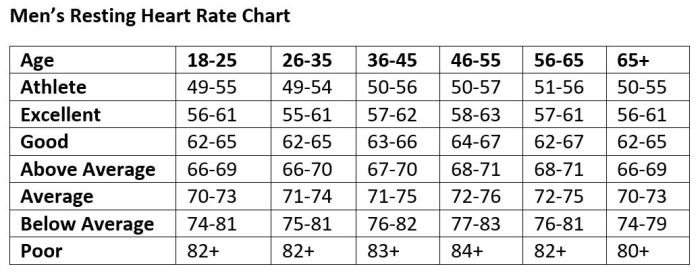
Maintaining mental resilience plays a crucial role in supporting cardiovascular health and regulating resting heart rate. The ability to effectively cope with stress, manage emotions, and cultivate a positive mindset can significantly impact the overall function of the heart and cardiovascular system.
Impact on Heart Health
- Chronic stress and negative emotions can contribute to the development of heart disease by triggering inflammatory responses and increasing blood pressure.
- On the other hand, individuals with strong mental resilience are better equipped to handle stress, reducing the risk of cardiovascular issues.
Building Mental Resilience
- Practice mindfulness techniques such as meditation, deep breathing, and yoga to reduce stress levels and promote emotional well-being.
- Engage in regular physical activity, which has been shown to improve mood, reduce anxiety, and enhance resilience against stressors.
- Cultivate a strong support system of friends, family, or mental health professionals to provide guidance and encouragement during challenging times.
Positive Mindset for Heart Health
- Focus on gratitude, optimism, and self-compassion to foster a positive outlook on life, which can have a protective effect on heart rate control and cardiovascular function.
- Avoid negative self-talk and rumination, as these can lead to increased stress and anxiety, negatively impacting heart health.
Final Conclusion
In conclusion, prioritizing cardiovascular health and monitoring resting heart rate can pave the way for a healthier and happier life. By incorporating the right strategies and practices, we can ensure that our hearts beat strong for years to come.
Answers to Common Questions
What is the ideal resting heart rate range for optimal cardiovascular health?
The ideal resting heart rate range is typically between 60 to 100 beats per minute, with lower rates indicating better cardiovascular fitness.
How can I improve my cardiovascular health and lower my resting heart rate?
Engaging in regular physical activities like jogging, cycling, or swimming can help improve cardiovascular health and lower resting heart rate over time.
Are there any specific herbs that can help regulate resting heart rate?
Herbs like hawthorn, garlic, and ginger are known for their beneficial effects on heart health and can help regulate resting heart rate.
Can skin health impact cardiovascular health?
Yes, there is a connection between skin health and cardiovascular health, as the two are intertwined in various ways that affect overall well-being.
How does mental clarity relate to cardiovascular health and resting heart rate?
Improved cardiovascular fitness can enhance cognitive function and mental clarity, showcasing the importance of heart health for overall well-being.


