How to access flu vaccination programs: In today’s fast-paced world, it’s crucial to stay informed about the available flu vaccination programs to ensure the health and well-being of you and your loved ones. From understanding the importance of flu shots to exploring different types of vaccines, this guide will equip you with the knowledge needed to access these essential programs.
As we delve into the various aspects of flu vaccination programs, you’ll discover valuable insights on eligibility criteria, finding local programs, and even how herbal remedies can complement these vaccinations. Stay tuned to learn more about maintaining overall health through flu vaccinations.
Finding Flu Vaccination Programs
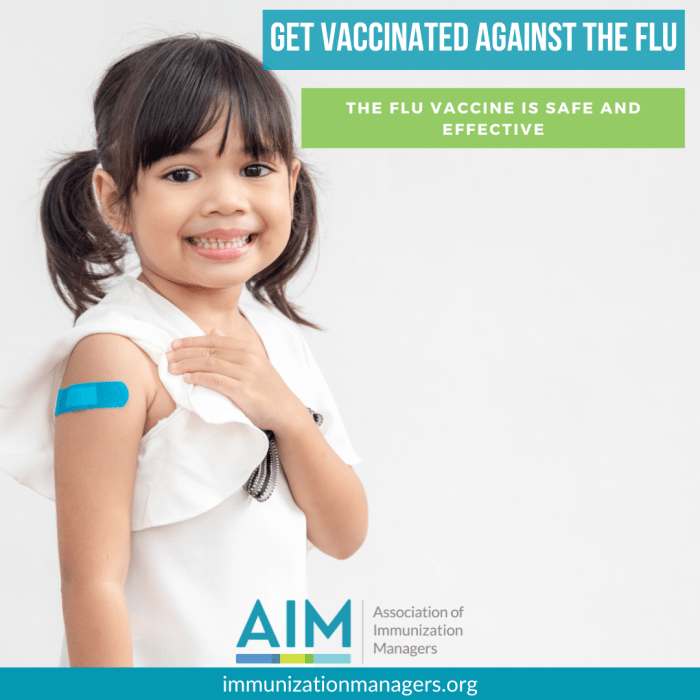
Getting a flu vaccination is crucial for maintaining overall health and preventing the spread of the flu virus. It is especially important for vulnerable populations, such as young children, the elderly, and individuals with underlying health conditions.
Types of Flu Vaccines
- Quadrivalent flu vaccine – protects against four strains of the flu virus.
- Trivalent flu vaccine – protects against three strains of the flu virus.
- High-dose flu vaccine – designed for individuals over 65 years old for better immune response.
Where to Find Flu Vaccination Programs
Flu vaccination programs can be found in various locations, including:
- Local health departments
- Pharmacies
- Primary care physicians
- Workplaces offering flu clinics
Eligibility Criteria for Flu Vaccination Programs
Eligibility for flu vaccination programs may vary, but common criteria include:
- Age – certain programs may prioritize specific age groups.
- Health status – individuals with chronic illnesses or compromised immune systems may be eligible.
- Occupation – healthcare workers or individuals in high-risk settings may have access to specialized programs.
Wellness Programs and Flu Vaccinations
Flu vaccinations are often a key component of wellness programs aimed at promoting overall health and preventing illness in the workplace. By offering flu vaccinations as part of these programs, employers can help protect their employees from getting sick and reduce the spread of the flu virus in the workplace.
Benefits of Combining Flu Vaccinations with Other Wellness Initiatives
- Improved Employee Health: Flu vaccinations can help reduce the number of sick days taken by employees, leading to higher productivity and lower healthcare costs for both employees and employers.
- Prevention of Outbreaks: By including flu vaccinations in wellness programs, employers can prevent flu outbreaks in the workplace, which can significantly impact productivity and morale.
- Enhanced Employee Morale: Offering flu vaccinations as part of a wellness program demonstrates that the employer cares about the health and well-being of their employees, boosting morale and loyalty.
Examples of Successful Wellness Programs with Flu Vaccinations
- Company A offers on-site flu vaccination clinics for employees, making it convenient for them to get vaccinated without having to leave the workplace.
- Company B provides incentives such as gift cards or extra paid time off to employees who receive their flu vaccination, encouraging participation in the wellness program.
- Company C incorporates flu vaccination reminders in their regular communication channels, ensuring that employees are aware of the importance of getting vaccinated each year.
Herbal Remedies and Flu Vaccinations
Herbal remedies have been used for centuries to support the immune system and promote overall wellness. When it comes to flu prevention, certain herbs can play a complementary role alongside flu vaccination programs. By incorporating these herbal remedies into your routine, you can potentially boost your immune system and reduce the risk of getting the flu.
Herbs to Support the Immune System During Flu Season
- Echinacea: Known for its immune-boosting properties, echinacea can help strengthen the body’s defenses against viruses like the flu.
- Elderberry: Rich in antioxidants, elderberry has been shown to reduce the duration and severity of flu symptoms.
- Garlic: Garlic is a powerful antimicrobial herb that can help fight off infections and support the immune system.
- Ginger: With its anti-inflammatory and antioxidant properties, ginger can help reduce inflammation and support overall immune health.
Complementing Flu Vaccination Programs with Herbal Remedies
- Enhanced Immune Response: Herbal remedies can help enhance the body’s immune response to the flu vaccine, potentially increasing its effectiveness.
- Reduced Severity of Symptoms: By incorporating herbs that support the immune system, individuals may experience milder flu symptoms if they do get sick.
- Overall Wellness: Herbal remedies can contribute to overall wellness, helping individuals stay healthy and resilient during flu season.
Skin Health and Flu Vaccinations: How To Access Flu Vaccination Programs
Flu vaccinations not only help protect against the flu virus but also have potential benefits for skin health. Here’s how getting a flu shot can impact your skin and some tips for maintaining healthy skin before and after receiving the vaccine.
Impact on Skin Health
Flu vaccinations can indirectly benefit skin health by boosting the overall immune system. A strong immune system can help prevent skin infections and promote faster healing of wounds or skin conditions. By reducing the risk of illness, flu shots may also help maintain a healthy complexion and reduce skin inflammation.
Specific Skin-Related Benefits
Improved immune response
Flu vaccinations can enhance the body’s ability to fight off infections, including those affecting the skin.
Reduced inflammation
By preventing flu-related illness, vaccines may help decrease skin inflammation and promote a clearer complexion.
Faster healing
A strong immune system supported by flu shots can lead to quicker healing of skin injuries or conditions.
Tips for Healthy Skin
- Stay hydrated: Drink plenty of water to keep your skin hydrated and maintain its elasticity.
- Follow a skincare routine: Cleanse, moisturize, and protect your skin daily to keep it healthy and glowing.
- Eat a balanced diet: Consume nutrient-rich foods like fruits, vegetables, and lean proteins to support skin health.
- Avoid harsh chemicals: Use gentle skincare products to prevent irritation and maintain skin barrier function.
- Protect against the sun: Wear sunscreen to shield your skin from harmful UV rays and reduce the risk of sun damage.
Bone Density and Muscle Mass in Relation to Flu Vaccinations
When it comes to bone density and muscle mass, there is a lesser-known connection to flu vaccinations. Let’s explore how getting flu vaccinations may impact these aspects of our health.
Impact on Bone Health
Flu vaccinations have been shown to potentially have a positive impact on bone health. Research suggests that the inflammatory response triggered by the flu virus can lead to bone loss, especially in older adults. By preventing the flu through vaccinations, individuals may reduce the risk of this bone loss and maintain better bone density over time.
Effect on Muscle Strength
Similarly, flu vaccinations can also play a role in supporting muscle strength. The flu virus can cause muscle aches and weakness as part of its symptoms. By avoiding the flu through vaccinations, individuals can potentially prevent the muscle fatigue and weakness that may accompany the illness.
Supporting Bone Density and Muscle Mass
- Include calcium-rich foods in your diet such as dairy products, leafy greens, and fortified foods to support bone density.
- Engage in weight-bearing exercises like walking, running, or weightlifting to strengthen bones and muscles.
- Ensure an adequate intake of vitamin D through sunlight exposure or supplements to promote bone health.
- Incorporate protein-rich foods like lean meats, beans, and nuts to support muscle mass and repair.
- Stay hydrated and maintain a balanced diet to provide essential nutrients for bone and muscle health.
Dental Care and Eye Health Considerations
In the context of accessing flu vaccination programs, it is important to consider the impact on dental care and eye health. Flu vaccinations can have implications for both dental health and eye conditions, so it is essential to be mindful of these aspects during flu season.
Dental Care
- Flu vaccinations may not directly impact dental health, but the general illness and fever that can accompany the flu may lead to dehydration. This can result in dry mouth, which increases the risk of cavities and other oral health issues.
- It is crucial to maintain good oral hygiene habits, such as brushing and flossing regularly, staying hydrated, and avoiding sugary foods and drinks, to prevent dental problems during flu season.
- Visiting the dentist for regular check-ups and cleanings is also important to ensure that any potential issues are addressed promptly.
Eye Health
- While flu vaccinations do not directly impact eye health, certain flu symptoms like fever and body aches can lead to eye strain and fatigue.
- It is essential to take breaks from screen time, stay hydrated, and ensure proper lighting when experiencing flu symptoms to reduce eye strain.
- If you wear contact lenses, make sure to follow proper hygiene practices and consider switching to glasses temporarily if your eyes feel irritated during flu season.
Mental Clarity and Joint Flexibility Benefits
Receiving a flu vaccination not only helps protect against the flu virus but can also have additional benefits for mental clarity and joint flexibility.
Cognitive Benefits of Flu Shots
- Studies have shown that individuals who receive flu vaccinations may experience improved cognitive function and mental clarity.
- Reducing the risk of getting the flu can help prevent symptoms like fatigue and brain fog, allowing for better focus and concentration.
- By staying healthy and avoiding illness, individuals are more likely to maintain mental sharpness and overall cognitive health.
Improving Joint Flexibility
- Regular physical activity, including exercises to improve joint flexibility, can complement the benefits of flu vaccinations.
- Simple stretches and range of motion exercises can help maintain joint health and flexibility, reducing the risk of stiffness or discomfort.
- Consulting with a healthcare provider or physical therapist can provide personalized recommendations for exercises that are safe and effective for improving joint flexibility.
Digestive Health and Detox Process Support
When it comes to flu vaccinations, it’s important to consider how they may impact digestive health and the body’s detox process. Let’s delve into the potential effects of flu vaccinations on the digestive system and explore dietary recommendations to support digestive health and detoxification while undergoing flu vaccination programs.
Influence on Digestive Health
Flu vaccinations can sometimes trigger mild gastrointestinal symptoms such as nausea, diarrhea, or stomach upset. This is often a temporary reaction as the body mounts an immune response to the vaccine components. It’s essential to stay hydrated and consume easily digestible foods to support the digestive system during this period.
Supporting Detox Process
- Increasing water intake can help flush out toxins from the body and support the detox process.
- Include fiber-rich foods such as fruits, vegetables, and whole grains to promote healthy digestion and regular bowel movements.
- Herbal teas like dandelion or milk thistle can aid liver detoxification and support overall digestive health.
- Avoid processed foods, alcohol, and excessive caffeine intake, as these can burden the liver and hinder detoxification.
Monitoring Blood Pressure and Heart Rate
When it comes to flu vaccinations, monitoring your blood pressure and heart rate is crucial for maintaining overall health and well-being. Before and after receiving the flu shot, it’s important to keep an eye on these vital signs to ensure that your body is responding well to the vaccine.
Impact of Flu Shots on Blood Pressure and Heart Rate
- Flu shots can sometimes cause a temporary increase in blood pressure and heart rate as your body mounts an immune response to the vaccine. This is a normal reaction and usually subsides within a few days.
- Individuals with pre-existing heart conditions should be especially mindful of any changes in blood pressure or heart rate after getting a flu shot. It’s important to consult with a healthcare provider if you have concerns.
Maintaining Healthy Blood Pressure and Heart Rate During Flu Season
- Stay hydrated and eat a balanced diet to support heart health and regulate blood pressure.
- Engage in regular physical activity to keep your heart strong and maintain healthy blood pressure levels.
- Manage stress through relaxation techniques like deep breathing, meditation, or yoga to help keep blood pressure in check.
- Monitor your blood pressure and heart rate regularly, especially during flu season, to catch any abnormalities early and seek medical attention if needed.
Health Screenings and Vaccination Programs
Health screenings play a crucial role in determining eligibility for flu vaccination programs. By assessing various health parameters, screenings can help identify individuals who are at higher risk of complications from the flu and therefore need to receive the vaccine.
The Importance of Comprehensive Health Programs
Comprehensive health programs that incorporate both screenings and vaccination programs are essential for promoting overall wellness and disease prevention. These programs not only help individuals access flu vaccinations but also ensure that they receive necessary health assessments to address any underlying conditions that may affect their immune response.
Healthy Habits and Balanced Hormones
Maintaining healthy habits and balanced hormones are crucial to supporting the effectiveness of flu vaccinations and enhancing the immune response to flu vaccines. By following these tips, you can maximize the benefits of flu vaccination programs.
Healthy Habits to Support Flu Vaccinations
- Avoid smoking and limit alcohol consumption, as these habits can weaken the immune system and reduce the effectiveness of vaccines.
- Eat a balanced diet rich in fruits, vegetables, whole grains, and lean proteins to ensure your body has the necessary nutrients to support a strong immune response.
- Get regular exercise to boost your overall health and immune function, which can improve the body’s ability to respond to vaccines.
- Practice good hygiene by washing your hands frequently and avoiding close contact with sick individuals to reduce your risk of contracting the flu.
The Role of Balanced Hormones in Enhancing Immune Response, How to access flu vaccination programs
Balanced hormones play a critical role in regulating the immune system and optimizing the body’s response to vaccines. Hormones like cortisol, thyroid hormones, and sex hormones all contribute to immune function and can impact the effectiveness of vaccinations.
Tips for Maintaining Hormone Balance
- Manage stress through relaxation techniques like meditation, yoga, or deep breathing exercises to keep cortisol levels in check and support a healthy immune system.
- Get enough sleep to ensure proper hormone regulation and immune function, as sleep deprivation can disrupt hormone balance and weaken the immune response.
- Consult with a healthcare provider to address any hormone imbalances through hormone replacement therapy or other medical interventions, if necessary.
Health Coaching and Fitness Goals Alignment

Health coaching plays a crucial role in helping individuals achieve their fitness goals, especially in the context of flu vaccination programs. By providing guidance, support, and personalized strategies, health coaches can assist individuals in staying motivated, accountable, and on track towards their fitness objectives.
Importance of Aligning Fitness Goals with Flu Vaccination Schedules
It is essential to align fitness goals with flu vaccination schedules to ensure optimal health and well-being. By coordinating these two aspects of health management, individuals can enhance their overall immune system, physical strength, and resilience to illnesses. This alignment also helps in creating a holistic approach to wellness, focusing on both preventive measures like vaccinations and proactive fitness routines.
Success Stories of Achieving Fitness Goals with Flu Vaccination Programs
- One success story involves a client who incorporated regular flu vaccinations into their wellness routine while working towards a weight loss goal. With the support of a health coach, this individual managed to maintain their exercise regimen, follow a balanced diet, and stay healthy throughout flu season, ultimately reaching their desired fitness level.
- Another inspiring example is of a person who set a goal of running a marathon while participating in a flu vaccination program. Through consistent training, proper nutrition, and adherence to vaccination schedules, this individual not only completed the marathon but also experienced improved endurance, stamina, and overall health.
Diet Planning and Health Supplements
When it comes to enhancing the efficacy of flu vaccinations, diet planning plays a crucial role in supporting the immune system. Additionally, health supplements can provide the necessary nutrients to strengthen immunity during flu season.
Balanced Diet for Immune Support
Having a balanced diet rich in vitamins, minerals, and antioxidants is essential for optimal immune function. Include a variety of fruits, vegetables, whole grains, lean proteins, and healthy fats in your meals to ensure you’re getting all the nutrients your body needs.
- Focus on foods high in vitamin C, such as citrus fruits, bell peppers, and strawberries, to boost immune function.
- Incorporate zinc-rich foods like nuts, seeds, legumes, and whole grains to support the immune system.
- Include probiotic-rich foods like yogurt, kefir, and sauerkraut to promote gut health, which is closely linked to immune function.
Role of Health Supplements
Health supplements can complement your diet by providing additional nutrients that may be lacking. They can help fill gaps in your nutrition and support your immune system during flu season.
Consider taking vitamin D supplements, especially during the winter months when sunlight exposure is limited, to support immune function.Vitamin D:
Elderberry supplements are known for their antiviral properties and can help boost immunity during flu season.Elderberry:
Omega-3 supplements can reduce inflammation and support immune health, making them beneficial for overall well-being.Omega-3 fatty acids:
Combining Diet and Supplements
By combining a balanced diet with targeted health supplements, you can create a strong foundation for immune support and enhance the efficacy of flu vaccinations. Consult with a healthcare provider or nutritionist to determine the best approach for your individual needs.
Breathing Techniques for Disease Prevention
Breathing techniques play a crucial role in disease prevention, including supporting the effectiveness of flu vaccinations. Proper breathing can enhance the immune system’s response to vaccines and help in overall health maintenance.
Benefits of Specific Breathing Techniques
- Improves oxygen flow in the body, aiding in the elimination of toxins and boosting immune function.
- Reduces stress levels, which can weaken the immune system and make the body more susceptible to illness.
- Enhances lung capacity and overall respiratory health, promoting better oxygen exchange and circulation.
Supporting Immune Response to Flu Vaccines
- Deep breathing exercises can help increase the body’s oxygen levels, optimizing the immune system’s ability to respond to the flu vaccine.
- Practicing mindful breathing techniques can reduce inflammation in the body, supporting the vaccine’s effectiveness in fighting off flu viruses.
- Breathing exercises can also aid in stress reduction, which is crucial for maintaining a strong immune system post-vaccination.
Effective Breathing Techniques for Disease Prevention
- Diaphragmatic Breathing: Inhale deeply through your nose, allowing your diaphragm to expand fully. Exhale slowly through your mouth, releasing all the air from your lungs.
- Alternate Nostril Breathing: Close one nostril with your thumb and inhale deeply through the other nostril. Close the other nostril with your ring finger, exhale through the first nostril, and repeat on the other side.
- 4-7-8 Breathing Technique: Inhale through your nose for a count of 4, hold your breath for a count of 7, and exhale slowly through your mouth for a count of 8.
Pain Management Strategies and Holistic Treatments
Pain management strategies and holistic treatments play a crucial role in ensuring a comfortable experience before and after receiving a flu vaccine. These approaches can help alleviate any discomfort associated with flu vaccinations, promoting overall well-being.
Holistic Pain Management Strategies
- Utilize relaxation techniques such as deep breathing exercises and mindfulness meditation to reduce stress and manage pain perception.
- Engage in gentle physical activities like yoga or tai chi to improve flexibility, circulation, and reduce muscle tension.
- Apply heat or cold therapy to the injection site to alleviate soreness and inflammation following the flu vaccine.
- Explore aromatherapy with essential oils like lavender or peppermint to promote relaxation and ease any discomfort.
- Consider acupuncture or acupressure sessions to target specific points that can help relieve pain and enhance the body’s natural healing process.
Holistic Treatments for Pain Relief
- Herbal remedies such as arnica, ginger, or turmeric can help reduce inflammation and alleviate pain naturally.
- Topical creams or ointments containing ingredients like menthol or capsaicin can provide localized relief for muscle soreness or joint pain.
- Chiropractic adjustments or osteopathic manipulative treatments can help realign the body and improve overall comfort and mobility.
- Massage therapy can promote relaxation, improve circulation, and reduce muscle tension, enhancing the body’s ability to recover from any discomfort post-vaccination.
- Consulting with a holistic health practitioner or naturopathic doctor can provide personalized recommendations for natural pain relief options tailored to individual needs.
Improving Mental Resilience Through Flu Vaccinations
In the context of mental resilience, flu vaccinations play a significant role in not only protecting physical health but also bolstering psychological well-being. The act of getting vaccinated against the flu can have a positive impact on overall mental resilience.
Psychological Benefits of Protecting Oneself Against the Flu
- Reduced anxiety: Knowing that you have taken steps to protect yourself from the flu can alleviate anxiety about falling ill.
- Increased sense of control: By getting vaccinated, individuals feel empowered and in control of their health, which can boost confidence and resilience.
- Peace of mind: Being vaccinated against the flu provides peace of mind, knowing that you have lowered the risk of severe illness.
Tips to Enhance Mental Resilience During Flu Vaccination Programs
- Practice relaxation techniques: Engage in deep breathing exercises or meditation to reduce stress and enhance mental well-being during vaccination.
- Stay informed: Educate yourself about the benefits of flu vaccination to build confidence and ease any fears or doubts.
- Seek support: Discuss any concerns or anxieties about vaccination with healthcare providers or loved ones to receive reassurance and guidance.
End of Discussion
In conclusion, accessing flu vaccination programs is a proactive step towards safeguarding your health and that of your community. By staying informed and taking advantage of available resources, you can contribute to a healthier environment for all. Remember, prevention is key when it comes to flu season, so make sure to access these vital vaccination programs.
FAQ Explained
How can I find flu vaccination programs in my local community?
You can contact your local health department, pharmacies, clinics, or check online resources for information on available flu vaccination programs in your area.
Are there any specific eligibility criteria for accessing flu vaccination programs?
Eligibility criteria may vary depending on the program, but generally, flu vaccines are recommended for individuals above a certain age, pregnant women, people with certain medical conditions, and healthcare workers.
Can herbal remedies be used in conjunction with flu vaccinations?
Yes, some herbal remedies can support the immune system during flu season and complement the effects of flu vaccinations. However, it’s essential to consult with a healthcare provider before combining any treatments.
How do flu vaccinations impact mental clarity and joint flexibility?
Flu vaccinations can contribute to mental clarity and joint flexibility by reducing the risk of flu-related illnesses that may impact cognitive function and mobility. Engaging in regular exercise and maintaining a healthy lifestyle can further enhance these benefits.
What role do health screenings play in accessing flu vaccination programs?
Health screenings can help determine your eligibility for flu vaccinations by assessing your overall health status and identifying any underlying conditions that may affect the vaccine’s efficacy. They provide valuable insights for healthcare providers to tailor vaccination programs to individual needs.